Why this is crucial right now
In 2026, hotels all around the world will start building and refurbishing again. This means that the Hotel Furniture Export Process is now very important for both persons who acquire hotels and people who sell furniture.
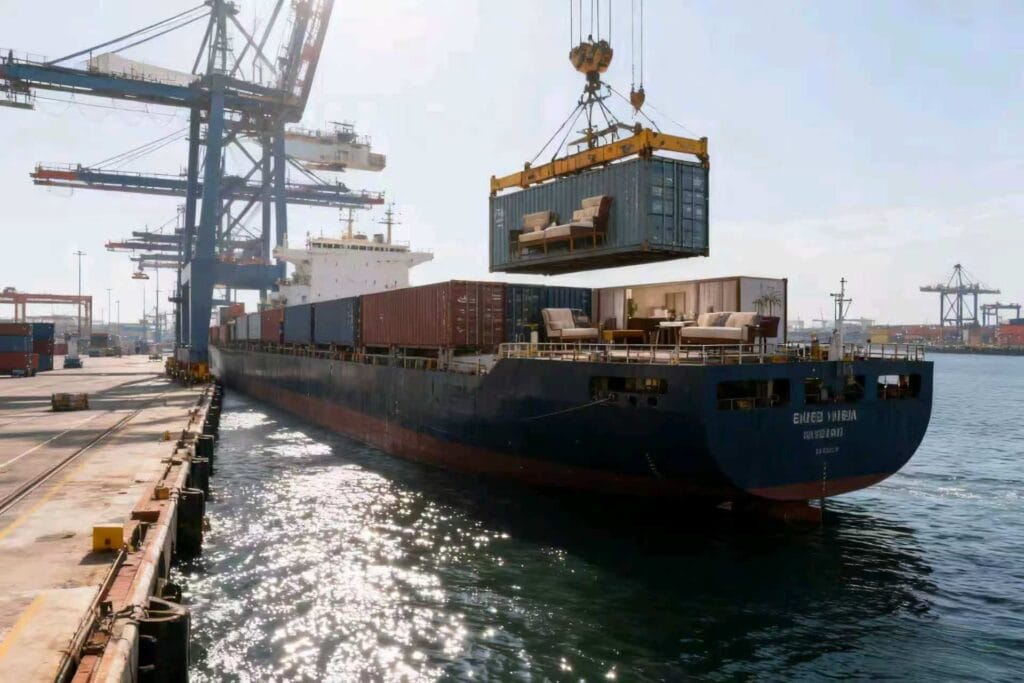
Most of the time, when a hotel needs new furniture, it comes from another country. This means that everything has to go well, from producing the furniture to shipping it, going through customs, delivering it, and putting it together. The process could take longer or cost more if you miss a step.
That’s why it’s not only a good idea to grasp how the hotel furniture export process and logistics work; it’s crucial to get things done right.
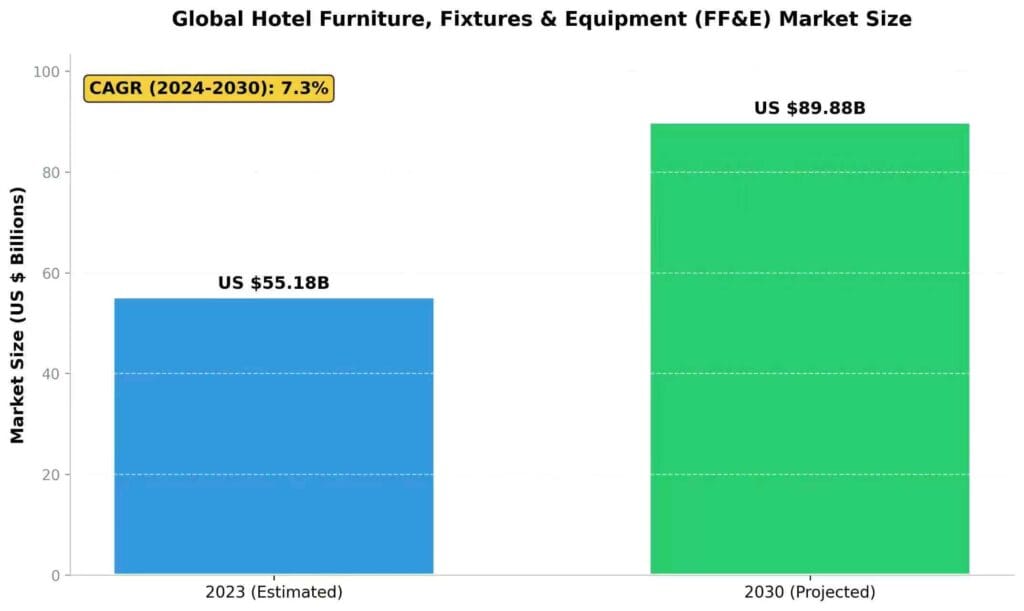
Important Information for the Global Hotel FF&E Market Data Group
| Data Category | Specific Figure |
| 2023 Market Size (Estimated) | US $55.18 billion |
| 2030 Market Size (Projected) | US $89.88 billion |
| CAGR (2024-2030) | 7.3% |
How does the process of sending hotel furniture to other countries work?
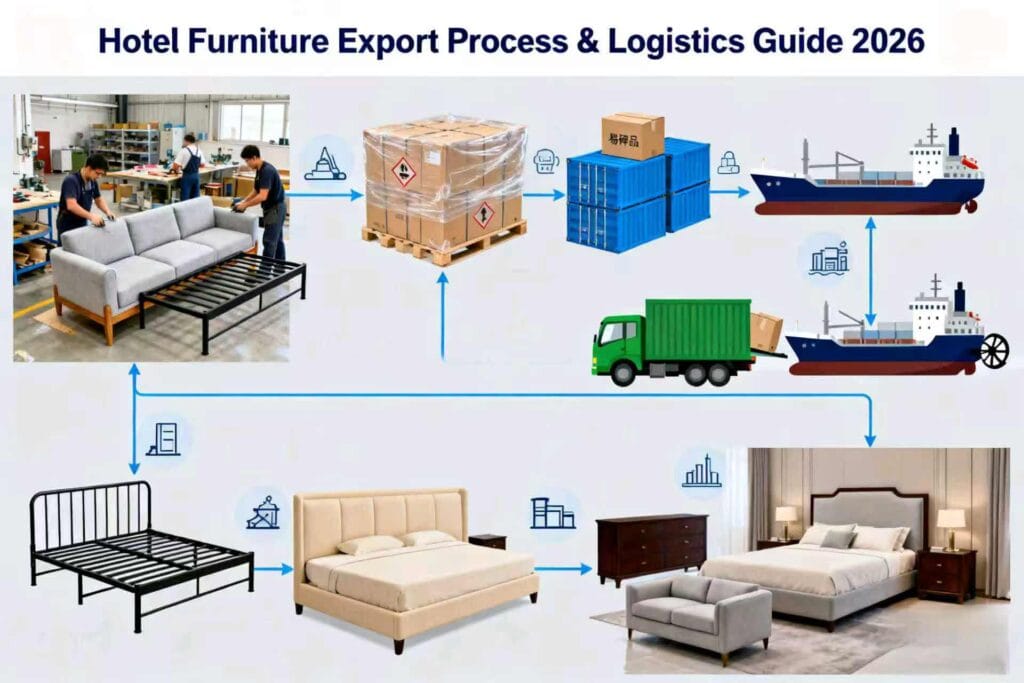
The Hotel Furniture Export Process covers everything from coming up with an idea to putting it into action for furniture that crosses borders:
Step 1: Check that the project and the market are on the same page
The customer and the exporter talk about what they need, like style, quantity, budget, and time frame.
Pick out things like mattresses for guest rooms, sofas for the lobby, seats for the restaurant, and so on.
Set the deadlines and restrictions for exporting.
Step 2: Make the rules and obey them.
The furniture must follow the rules for fire safety, materials, and packing in the country where it will be used.
Make samples, evaluate the quality, and give your permission for the designs.
Check to see if the manufacturing is reliable.
This step is very significant in the process of exporting hotel furniture. If you don’t follow the guidelines, you could have to wait longer or perform the work again.
Step 3: Making sure the packaging and delivery are correct
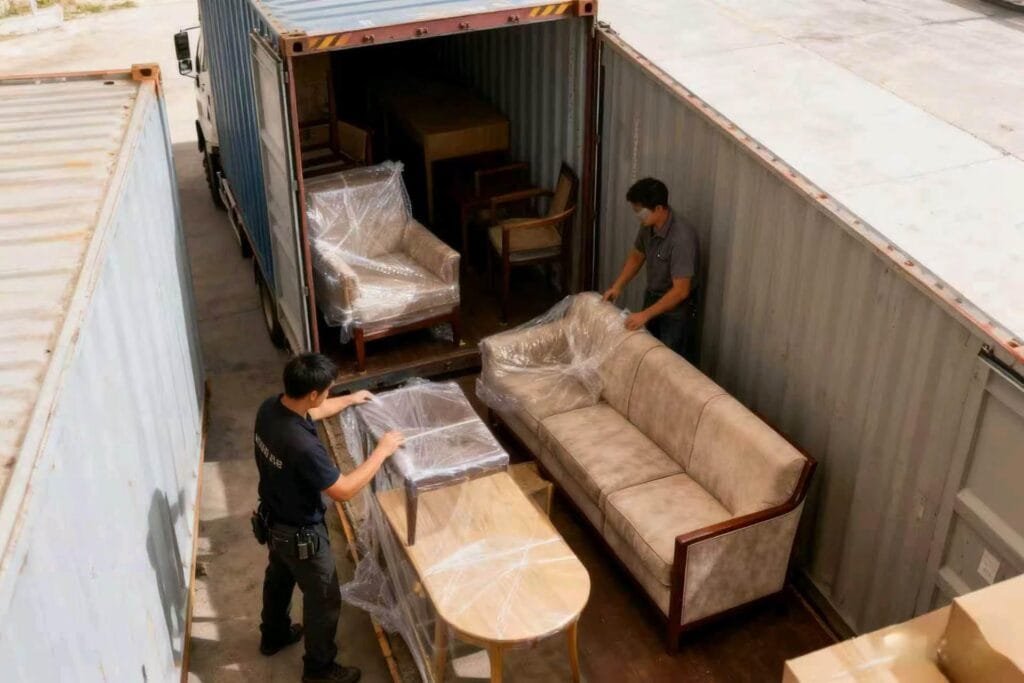
This process includes packing, shipping (by sea, air, or train), loading the container, and securing insurance for the furniture.
Exporters need to think about how to keep products safe while they are on their way.
Planning the logistics is a key aspect of the Hotel Furniture Export Process.
Step 4: Customs, clearance, and delivery
The exporter is in charge of the export papers, which include the invoice, packing list, and certificate of origin.
When you reach there, you will have to pay import taxes, have the package checked out, gain permission from the local government, and have it sent to the hotel.
The Hotel Furniture Export Process terminates here if approval goes wrong.
Step 5: Putting things together and taking care of them after the sale
When the furniture arrives, it needs to be put together, given to the right person, and maybe even receive help with extra parts.
Hotels can’t wait too long because the furniture usually has to be completed by the time the project opens or is being worked on.
A good finale to the Hotel Furniture Export Process keeps guests happy and the hotel’s brand strong.
Things to keep in mind when it comes to the supply chain and logistics
Here are some helpful recommendations for getting things done throughout the Hotel Furniture Export Process:
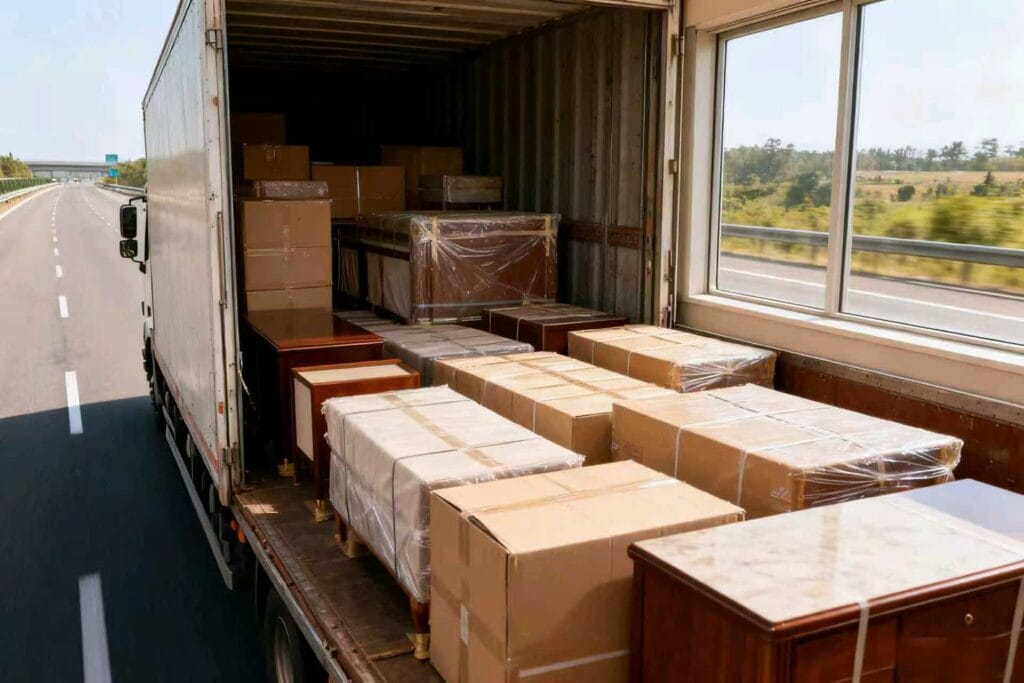
- How to get there: Sea freight is cheap yet slow and hard to use for delivery to places inland. It’s fast but costly for delivery via air. Pick based on how important it is.
- Wrapping: Strong boxes, protection from moisture, and safe stacking all help keep objects from getting broken and having to be fixed.
- Fumigating the wood, getting it certified, and limiting the usage of local resources are some of the rules for the destination. If you check ahead of time, you won’t be surprised.
- Delivery to the last mile: People might not think about how hard it is to move furniture into hotels with more than one floor through small hallways and elevators.
- Risk management: Plan for extra time, insurance, and backup plans in case of problems like breakage during shipping, delays at customs, and fluctuations in currency.
Your Hotel Furniture Export Process will go more smoothly if you add them.
Important trends to watch in 2026
- Sustainability is important: Hotels desire furniture that is good for the environment and has smart functions. This is something that providers should keep in mind when they send goods abroad.
- Sourcing from nearby: More and more individuals are getting their items closer to where they need to go to save time and avoid transportation problems. This impacts the way you plan to export hotel furnishings.
- Digital visibility: People today expect technology that help them follow shipments, see how the installation is going, and chat to each other in real time.
- Hotels enjoy modular and quick-install furniture because it can be delivered and set up quickly, which means they don’t have to wait as long to get their rooms ready. Planning this changes how you export from the start.
A list of things that hotel buyers and exporters should undertake
For those who sell furniture:
Look over the hotel’s budget, schedule, and requirements.
Make sure that the design and production meet the standards of the destination.
Check your plan for packaging and delivery ahead of time.
Prepare the paperwork for shipping and receiving goods.
Make sure you can get support with installation and service after the sale.
Add things like delays, damage, and other risks to your contract.
For groups that buy goods for hotels:
Decide where the furniture will go, like in guest rooms, the lobby, restaurants, and so on.
Choose a provider who knows how to export hotel furniture and not only how to create things.
Make sure your contract covers installation and logistics.
Look at the site: how to get there, how to deliver, and how to use the lifts.
Keep an eye on how the shipping and putting together are progressing.
Agree on the terms of the quality, delay, and warranty.
Why pick PMOU?
We at Onestophotelffe.com are professionals at every part of the Hotel Furniture Export Process, including design, production, shipping, customs clearance, delivery, and installation.
We know a lot about how things are shipped and moved throughout the world.
We know the rules and deadlines for hotels.
We are the ones who need to worry about risk.
When you work with us, there are fewer surprises, clearer schedules, and smoother execution.
Final thoughts
The Hotel Furniture Export Process is more than just shipping beds and chairs to other countries. It’s about managing a sophisticated chain from idea to guest room. The hotel project stays on track, on budget, and delivers quality as long as each step is done right.
Now that 2026 is pushing for better supply chains, faster delivery, and more environmentally responsible methods, it’s more important than ever to have a trustworthy partner.
If you’re working on a hotel project and want to make exporting easier, get in touch with PMOU. We are ready to help you get it to work.
Visit onestophotelffe.com or email evelyn@pmou-int.com to get a free evaluation.

FAQ
Q1: What is the “Hotel Furniture Export Process”?
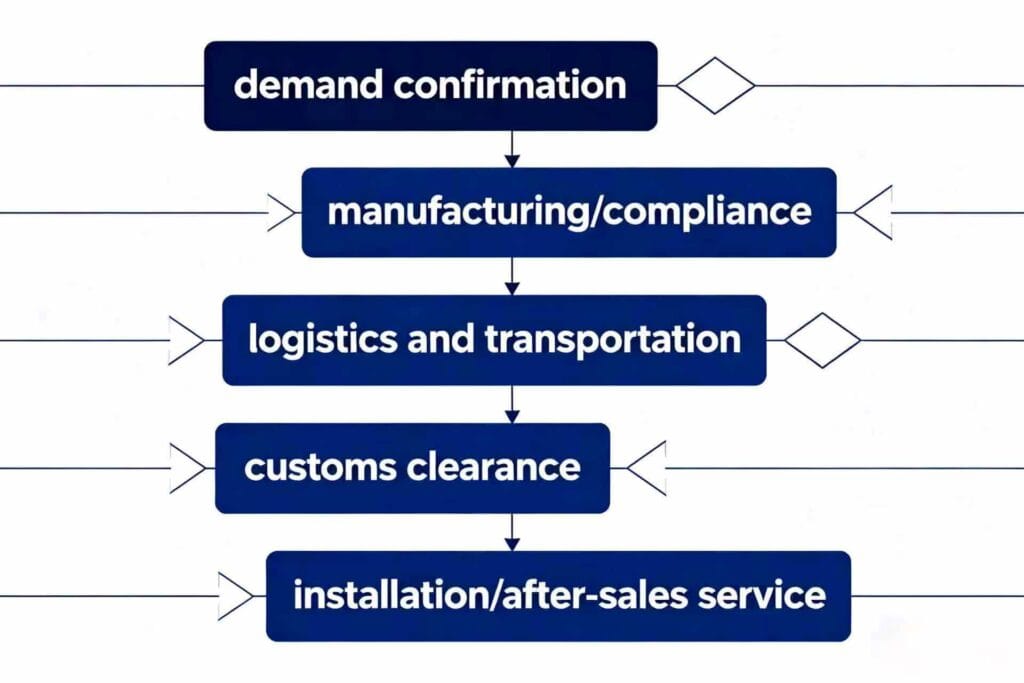
A: It refers to the entire process of exporting hotel furniture from its manufacturing location to the target hotel project site, including: demand confirmation → manufacturing/compliance → logistics and transportation → customs clearance → installation/after-sales service.
Q2: Why is it necessary to specifically plan the process for hotel furniture exports?
A: Because hotel furniture is large, has tight delivery times, and high brand standards. A disorganized process can lead to transportation delays, increased costs, or construction delays.
Q3: What are the most problematic stages in this process?
A: Usually logistics (transportation methods, packaging, last-mile delivery) and customs clearance (destination country standards, import taxes, quarantine). If these two stages are not controlled in advance, the project can easily stall.
Q4: As a hotel purchaser, how can I determine if a supplier can handle this process well?
A: Check if the supplier provides integrated services from design, export packaging, logistics, customs clearance, installation to after-sales service; whether they are familiar with target market standards; and whether they have a clear timeline and installation support.