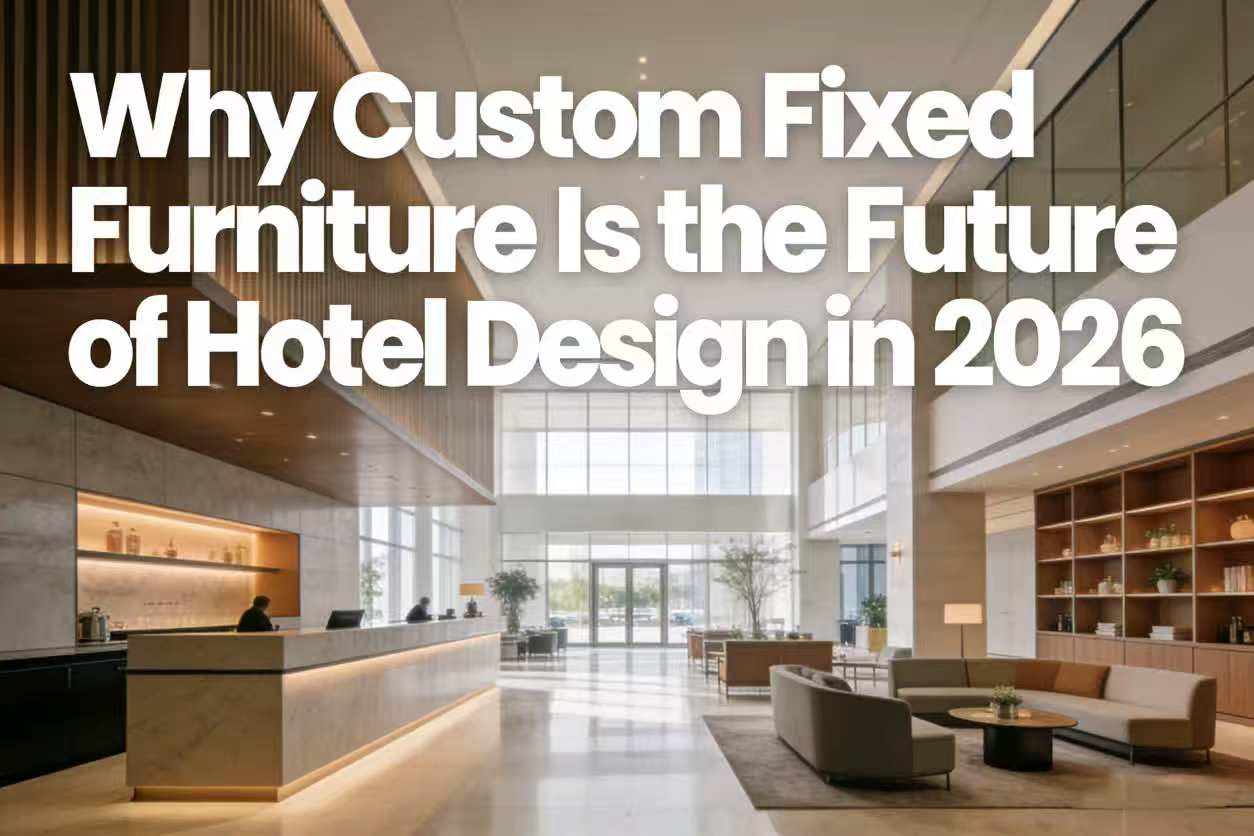
When you walk into a hotel today, furniture isn’t just something you sit on or put your suitcase beside anymore. It’s a silent storyteller of the hotel’s identity — and in 2026, custom fixed furniture plays a huge role in that narrative.
For hoteliers, interior designers, and procurement managers who live and breathe hospitality, the shift toward custom fixed furniture solutions isn’t a fad. It’s a reaction to real guest expectations, tighter budgets for renovation, and the need to stand out in a crowded marketplace.

A Growing Preference for Bespoke Pieces
Hotel furniture used to come straight off a catalog: a lobby chair that looks like one in ten other hotels, a desk that fits the standard room dimensions, a bedhead that blends in but doesn’t thrill.
That’s changing. In 2026, more hoteliers are asking for custom fixed furniture that is designed around their specific space and brand story — whether that’s a boutique beach resort or a business hotel with a strong corporate identity. This shift grows out of a desire to create interiors that feel thoughtful and unique rather than generic.
Designers and procurement teams both see this trend not as a luxury, but as a way to better connect with the people staying in the hotel.
Tell Your Brand Story Through Furniture
Travelers today notice details. They share photos of spaces that feel interesting — the chair with a local wood frame in a resort in Bali, the bespoke banquet table in a downtown hotel restaurant, the headboard in a boutique property that subtly reflects local art.
Custom fixed furniture makes these moments possible. Instead of picking from standard items, designers collaborate with manufacturers to bring real stories into the room — local culture, material choices, color palettes and textures that feel intentional. That’s how a place stops feeling like “just another hotel” and starts feeling like a memorable stay.
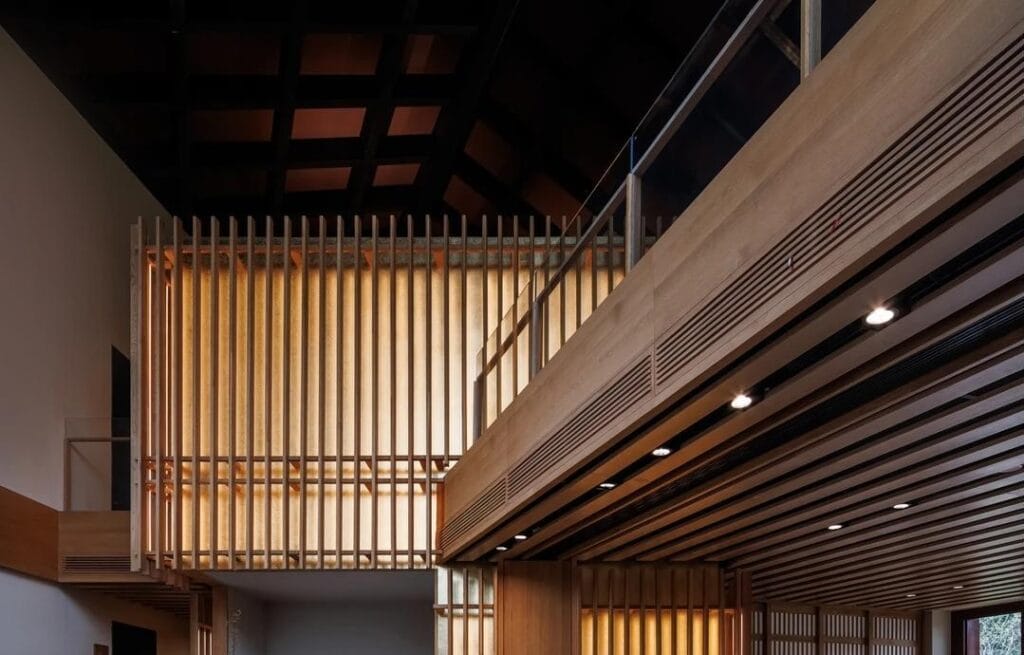
Practical Comfort Meets Guest Expectations
Let’s be honest — guests don’t talk about furniture very often unless it’s uncomfortable or it solved a real problem for them. In 2026, travelers expect more from hotel furniture: seating that supports long hours of work, desks with easy access to power and data, adjustable lighting, and multi-purpose pieces that make small rooms feel spacious.
This is where custom fixed furniture shines. Because the pieces are designed for the way guests actually use them, they can reduce frustration and boost comfort — and that leads to better reviews and stronger loyalty.
Smarter Spaces Without Compromise
One of the quiet but powerful reasons properties are choosing custom solutions is flexibility.
Hotels are no longer static environments. A lobby space might need to serve breakfast crowds in the morning, become a co-working lounge during the day, and transition into a social hour spot by evening. Custom furniture — whether it’s modular seating, fold-away desks, or pieces that integrate storage — helps make these transitions smooth and effortless.
This isn’t about gimmicks. It’s about giving properties the tools they need to make every square foot useful, without clunky add-ons or temporary fixes.
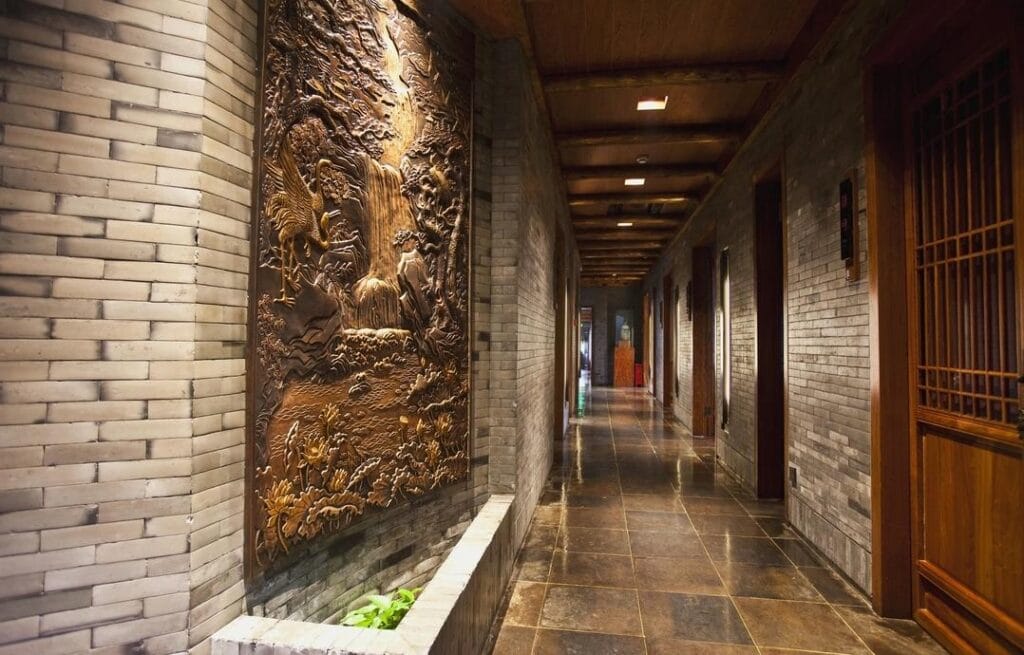
Sustainability Is Now Table Stakes
A decade ago, sustainability was a niche consideration for a handful of eco-conscious hotels. Today, it’s part of the conversation at nearly every design and procurement meeting.
In 2026, many hotels are choosing materials like reclaimed timber, bamboo, and low-VOC finishes because they offer comfort and beauty and align with environmental goals. Guests appreciate it, and brands often have sustainability targets to meet. Custom furniture lets you specify these choices from the start — you don’t settle for what’s available, you build what fits your vision.
Long-Term Practical Value That Shows Up in the Budget
We’ve all seen properties buy a stack of standard chairs or tables because they were cheaper upfront — only to replace them a few years later. That cycle is costly in multiple ways: downtime during renovations, disruption to guests, and recurring purchasing costs.
By contrast, custom fixed furniture is built for the hotel environment — durable fabrics, robust frames, finishes that age well. Even though it costs more at first, many procurement managers find that it costs less over the long run because pieces last longer and fit the property better.
Comfort and Aesthetics — Without Compromise
One of the best parts of custom design is that you don’t trade looks for comfort or functionality for style. Whether your project embraces minimalist elegance or warm, locally inspired luxury, bespoke pieces can be engineered to deliver both ergonomic comfort and visual impact.
That’s especially true in public spaces — from sculptural seating in lobbies to statement tables in restaurants. These are the moments guests remember, the frames they post on social platforms, and the touches that make stays feel personal.
How PMOU Supports Your Vision
At PMOU, we’ve worked side by side with designers and hotel teams who are serious about creating spaces that are both beautiful and functional.
We’re not just suppliers. We help you think through:
- What materials reflect your brand and sustainability goals
- How furniture can support daily operations
- How to balance durability and comfort
- How to connect design with guest experience
Our team understands the balance between creativity and practicality that makes custom furniture a smart choice in 2026.
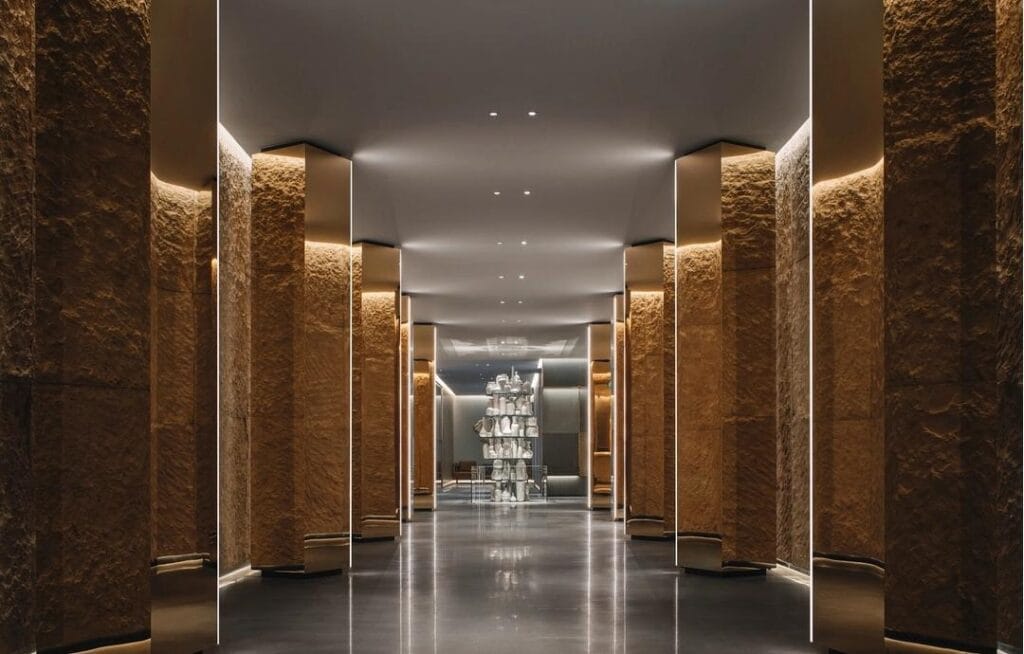
Quick Comparison: Custom vs. Standard Furniture
| Feature | Custom Fixed Furniture | Standard Furniture |
| Tailored Brand Expression | Very High | Limited |
| Guest Comfort | Designed for Use | Varies |
| Flexibility & Function | Built In | Add-On Only |
| Durability for Hospitality | High | Medium |
| Long-Term Value | Strong | Weaker |
FAQs That Matter to Hotels in 2026
Q: What makes custom fixed furniture different from off-the-shelf pieces?
A: Custom pieces are shaped around your space, design goals, and functional needs — not just chosen from a catalog.
Q: Is it worth the extra cost?
A: Most properties find it pays off over time in lower replacement costs, better guest experience, and stronger brand identity.
Q: Can custom furniture help sustainability goals?
A: Yes. You can choose responsible materials and finishes right from the start, rather than retrofitting later.
Q: How does custom furniture support operations?
A: When furniture is designed for real use — integrated tech, smart storage, thoughtful ergonomics — it makes daily work easier for staff and more comfortable for guests.
Final words
If your team is evaluating furniture plans for 2026, thinking beyond basic pieces to custom fixed furniture isn’t just creative — it’s strategic. It’s how hotels connect with guests, support their brand’s narrative, and make each stay feel distinct and intentional.