
Hunan Chenxi Inn (full name: Chenxi Inn – Nanyue Hengshan Zhurong Peak Scenic Area Branch) is a high-end boutique inn situated within the Nanyue Hengshan Scenic Area in Hengyang City, Hunan Province. It is highly popular among travelers for its prime location and high-quality service.
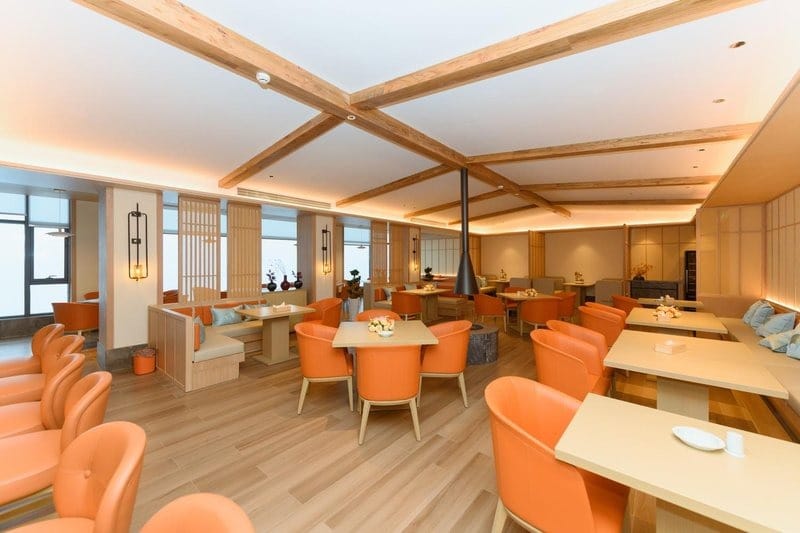
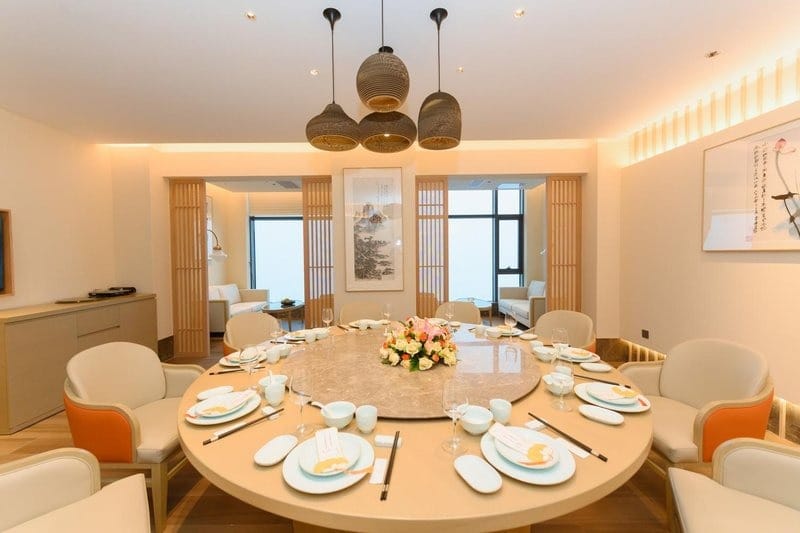
Core Overview
Location: Situated atop Zhurong Peak on Mount Heng (Nanyue) at an elevation of 1,200 meters, adjacent to Shangfeng Temple.
Brand Positioning: A high-end boutique guesthouse operated by Hunan Broadcasting System, blending modern style with Zen-inspired cultural aesthetics, and prominently featuring the distinctive “Mango” IP theme.
Scenic Advantages: Perched on the mountain summit, the guesthouse offers an ideal vantage point for viewing sunrises, seas of clouds, and starry skies; Zhurong Peak is just a 10-minute walk away.
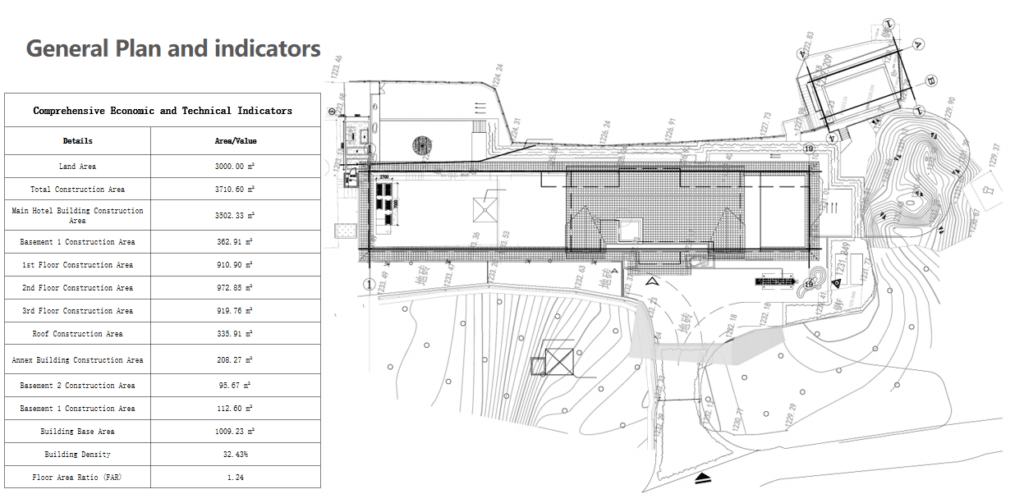
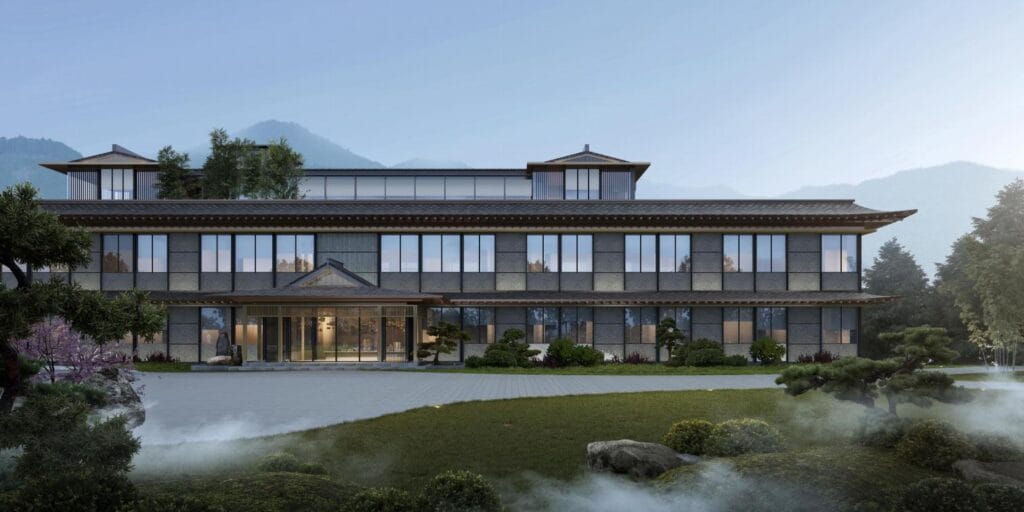
Facilities & Services
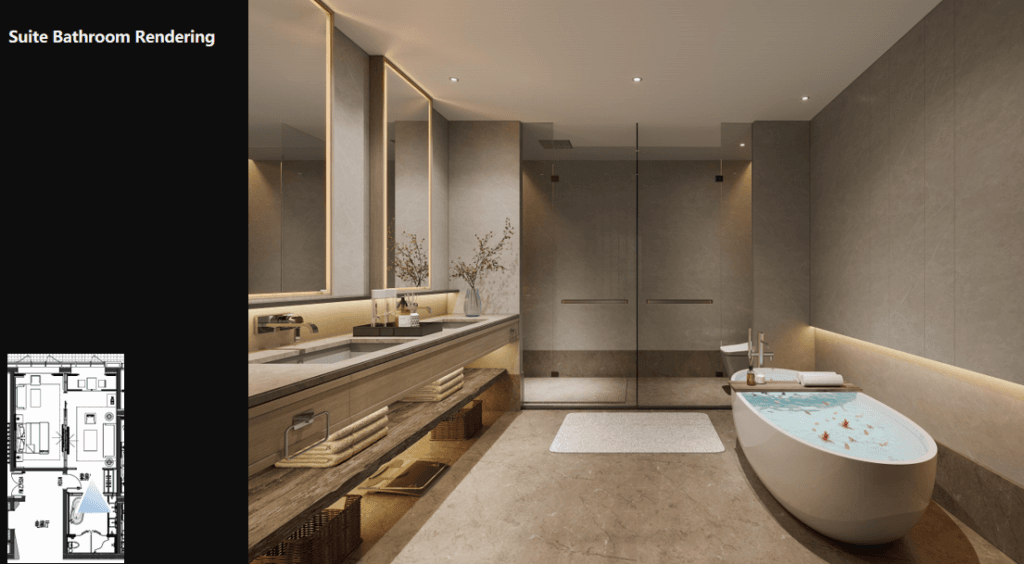
Guest Rooms: Comprising 41 guest rooms designed in a “New Chinese” style, with interior decor accents incorporating a warm “Mango Orange” color palette.
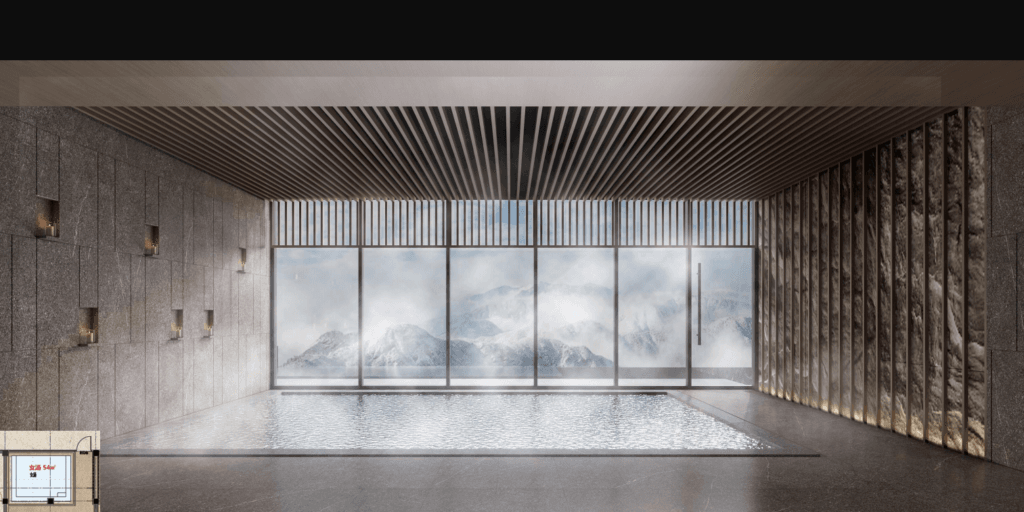
Amenities: Features include a signature restaurant, conference room, card and board game room, karaoke lounge, cigar bar, wine bar, hot spring pools, and more.
Service Highlights: Provides transfer services (specific details subject to confirmation); dedicated butlers offer timely reminders regarding sunrise and sunset times.
This renovation and upgrade project of Chenxi Inn marks a full-scale transformation of a traditional boutique hotel, with PMOU appointed as the core service provider to lead the entire refurbishment plan. From the very beginning of the project, we took on the role of a one-stop solution hub, aligning every phase of the design, construction, and operational preparation with the unique positioning of the inn.
Rooted in exquisite craftsmanship, enhanced by precision logistics, and driven by deep insights into hotel operations, we do not merely furnish spaces — we craft unforgettable guest experiences that resonate long after check-out. This holistic approach eliminated the common pain points of fragmented communication between multiple vendors, ensuring the project stayed on schedule, on budget, and true to the design vision.
| Metric Category | Pre-Renovation (Chenxi Hotel) | Post-Renovation (Chenxi Inn) | Magnitude of Change |
| Average Room Rate (CNY/room/night) | 300 | 1400 | 367% |
| Annual Average Occupancy Rate | 50% | 90% | 80% |
| Total Annual Room Revenue (CNY 10,000s) | 224.48 | 1885.59 | 740% |
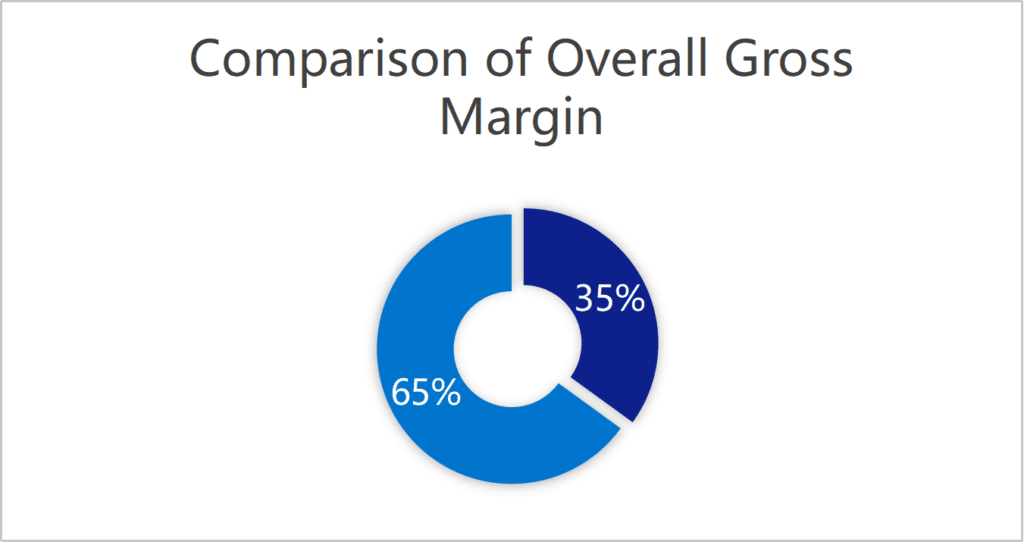
| Comprehensive Gross Margin | 35% | 65% | +30pct |
| Annual Net Profit (CNY 10,000s) | ≈20 | ≈550-650 | +27 times+ |
| Investment Payback Period | >10 year | 3-4 year | Shorten≈60% |
Following its renovation—driven by high room rates, high occupancy, and high gross margins—cash flow recovery accelerated significantly. Annual revenue surged more than sevenfold, while net profit skyrocketed over twenty-sevenfold; consequently, the payback period was reduced by 60%. Transcending its origins as an unbranded ancillary building, the property has successfully upgraded to become a benchmark homestay in the Nanyue Hengshan region, now possessing the potential for IP development, chain expansion, and capitalization.
Post-Renovation Operational & Commercial Impact
The results of the transformation speak volumes about the success of PMOU’s approach. Following the completion of the Chenxi Inn renovation, the property saw a significant uplift in guest appeal, reflected in a 35% increase in monthly occupancy rates within the first six months of reopening. The refreshed design, combined with enhanced guest comfort, also drove a 28% rise in average daily rate (ADR), directly boosting the inn’s revenue per available room (RevPAR). Positive guest reviews and repeat bookings surged, confirming that the upgrade had successfully repositioned the property as a preferred choice in the local market.
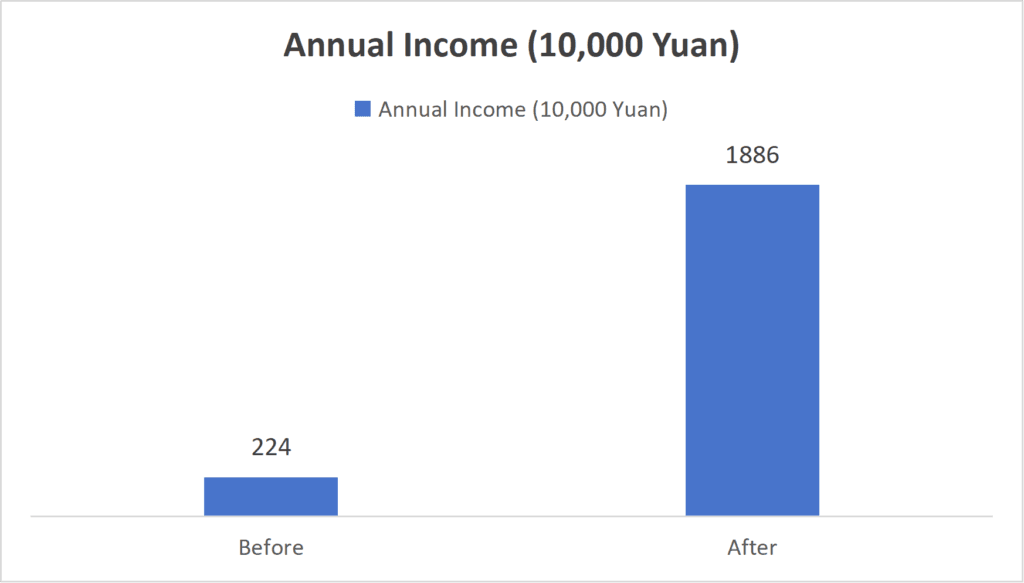
1. Revenue: Simultaneous Growth in Volume and Price, Achieving Exponential Expansion
Prior to renovation, the project operated as a budget guesthouse; room rates were low, occupancy was mediocre, overall revenue scale was small, and the business was acutely sensitive to the peak and off-seasons of the scenic area.
Following renovation—leveraging its prime viewing location at the core of Zhu Rong Peak, a “Zen-inspired light luxury” market positioning, and the backing of the Mango Cultural Tourism brand—the project achieved the following results:
- Room rates increased 3.67-fold.
- Occupancy rates rose from 50% to 90%.
- Total annual revenue surged from approximately 2.24 million to nearly 19 million.
- The revenue side achieved a breakthrough of a magnitude-level scale.
2.Profitability: Significant Improvement in Gross Margins and Explosive Growth in Net Profits
Low-end accommodation businesses typically suffer from low gross margins and high proportional costs for energy consumption and labor; prior to renovation, the net profit margin stood at a mere 9%.
Post-renovation, the adoption of premium pricing—combined with an increased contribution from experiential consumption—boosted the comprehensive gross margin to 65%, while the dilutive effect on fixed costs became significantly more pronounced.
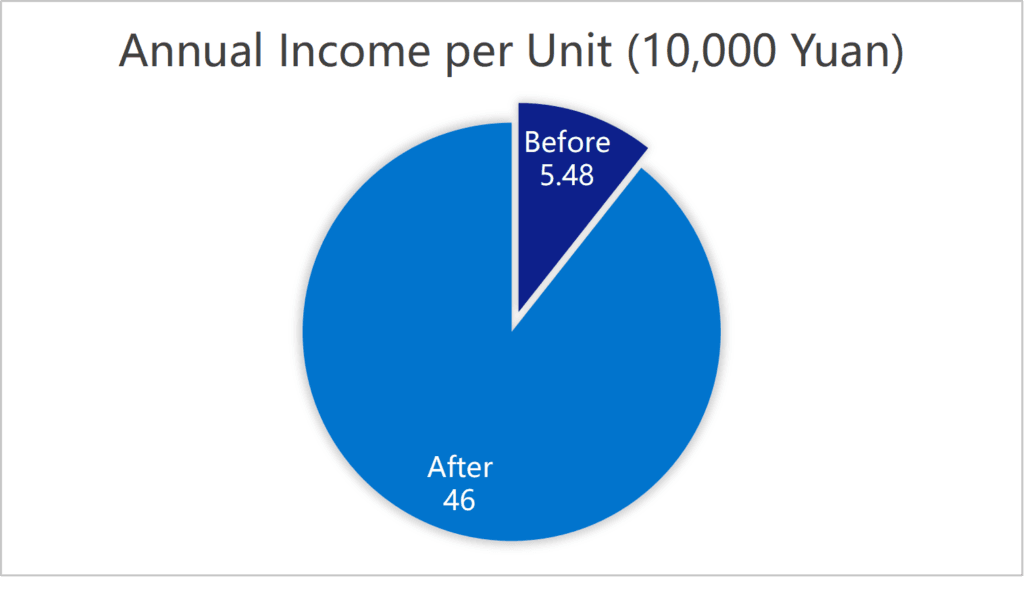
Estimates:
Pre-renovation: Annual net profit was approximately 200,000 RMB, essentially representing a state of mere subsistence with minimal profitability.
Post-renovation: Annual net profit is projected to reach 5.5–6.5 million RMB—a profit increase of over 27-fold.
3.Cash Flow and Return on Investment: Drastically Shortened Payback Period
Prior to renovation, the assets were aging and lacked pricing power, resulting in a payback period exceeding 10 years and extremely low investment value.
Post-renovation—driven by high room rates, high occupancy, and high gross margins—the speed of cash flow recovery accelerated significantly, compressing the payback period to just 3–4 years.
The project has successfully transformed from an “inefficient legacy asset” into a high-quality, cash-generating asset within the scenic area, establishing a solid foundation for future financing, expansion, and brand licensing initiatives.
4.Risk Resilience: Transitioning from “Reliance on Nature” to Diversified Profitability
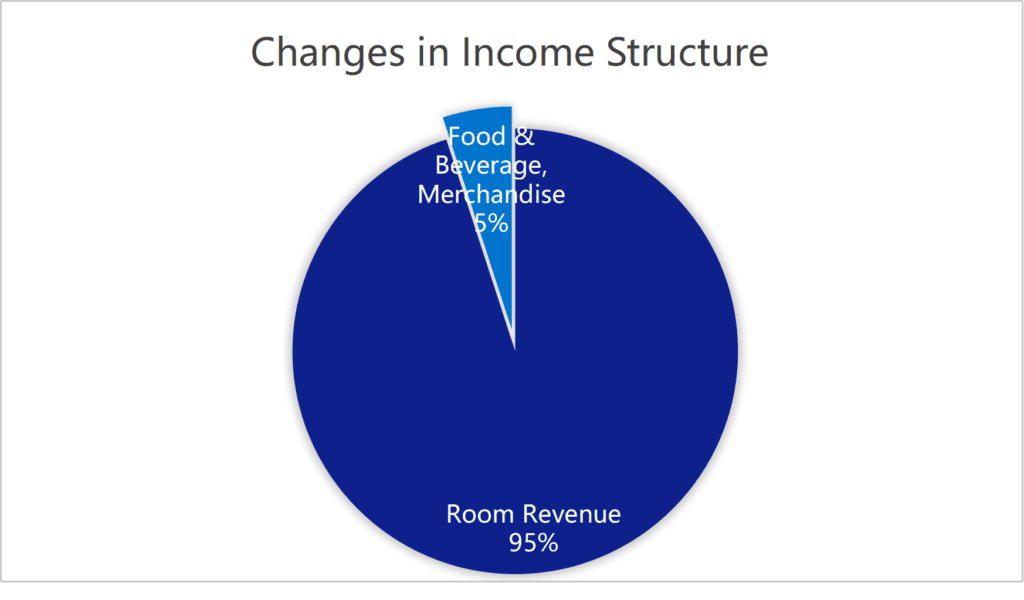
Prior to renovation, revenue was almost entirely dependent on room bookings, exposing the business to a high risk of financial loss during the off-season. Following renovation, a composite revenue model—encompassing “Accommodation + Dining + Experiential Activities + Events”—was established:
- During peak seasons, revenue is driven by high volume and the premium pricing commanded by rooms with scenic views.
- During shoulder seasons, the average spend per guest is boosted through Zen-inspired experiences, tea ceremonies, and traditional Hanfu cultural activities.
- During off-peak seasons, the venue hosts corporate team-building retreats and themed spiritual/blessing events.
- Consequently, revenue volatility has been drastically reduced, and the business’s resilience against economic cycles has been significantly strengthened.
5.Summary: A Fundamental Upgrade in Commercial Value
Asset Value Upgrade
Transformed from an inefficient asset—an aging guesthouse—into a rare, premium scenic homestay situated at Zhu Rong Peak; the property’s valuation has increased manifold.
Profit Model Upgrade
Shifted from a strategy of “low-price, high-volume, and razor-thin margins” to one of “premium pricing, high gross margins, and diversified revenue streams”; the quality and stability of earnings have undergone a qualitative transformation.
Cash Flow and Return Upgrade
Annual revenue has grown more than sevenfold, net profit has surged over 27-fold, and the payback period has been shortened by 60%; the project has evolved into a high-quality “cash cow” asset.
Brand and Platform Value Upgrade
Elevated from an unbranded, ancillary facility to a benchmark homestay destination within the Nanyue Hengshan region, now possessing the potential for IP development, chain expansion, and capital market integration.
PMOU’s Core Strength in FF&E & OS&E Solutions
As a professional manufacturer and global supplier of hotel furniture and operational supplies, PMOU brings unparalleled expertise in delivering customized FF&E (Furniture, Fixtures & Equipment) and comprehensive OS&E (Operating Supplies & Equipment) solutions. For Chenxi Inn, this meant more than just sourcing standard items: we engineered bespoke furniture pieces tailored to the inn’s architectural design, while also coordinating all operational essentials—from guest amenities to back-of-house equipment. Our end-to-end service covers every category of the hotel’s needs, positioning us as a single point of accountability for all product-related requirements.
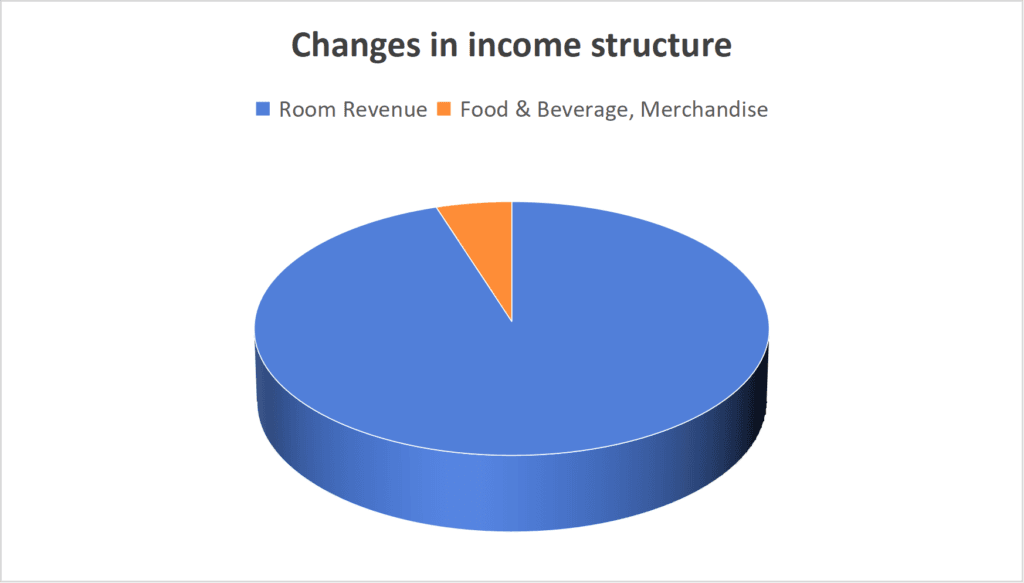
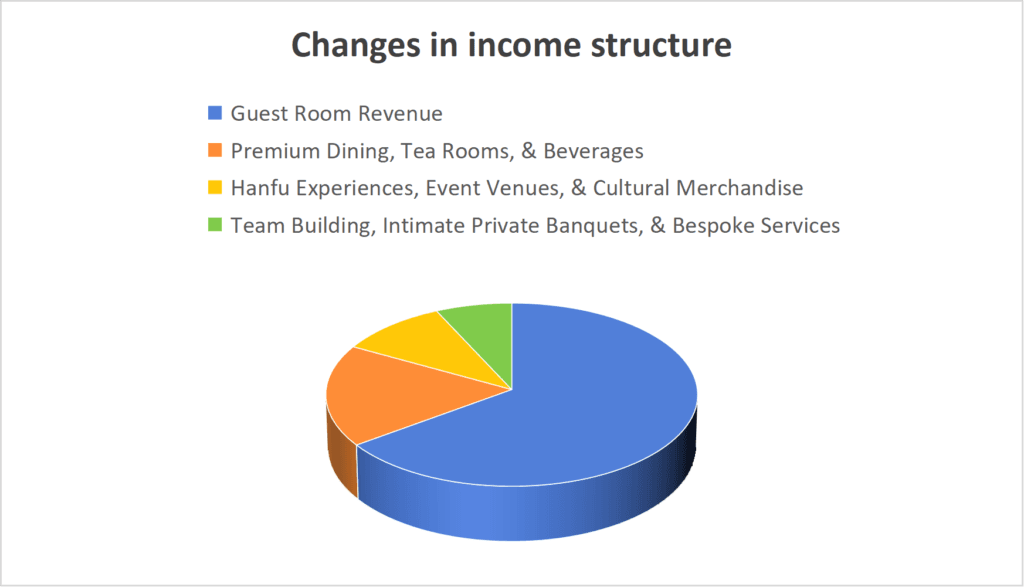
Shifting from a “sole reliance on room revenue” to a “diversified, high-margin structure” has significantly bolstered risk resilience.
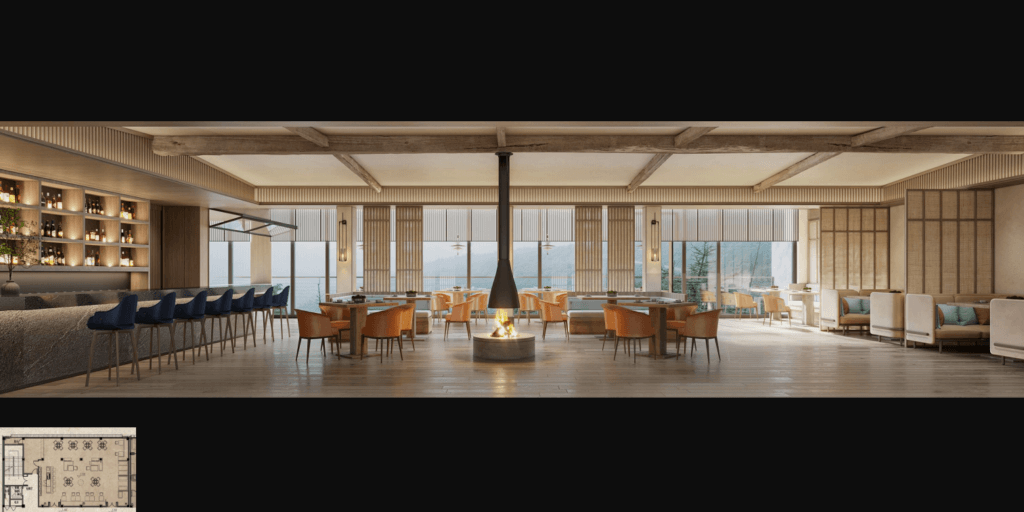
Craftsmanship, Logistics & Operational Insight
Our commitment to excellence is rooted in three pillars: craftsmanship, logistics, and operational understanding. We manufacture furniture with meticulous attention to detail, ensuring durability that meets the high demands of hospitality environments. Our precision-driven logistics network ensures all materials and products arrive on-site, on time, and ready for installation, eliminating costly delays. Most importantly, our deep knowledge of hotel operations allows us to anticipate guest and staff needs—from ergonomic lobby layouts to durable, easy-to-maintain materials—resulting in spaces that are as functional as they are beautiful.
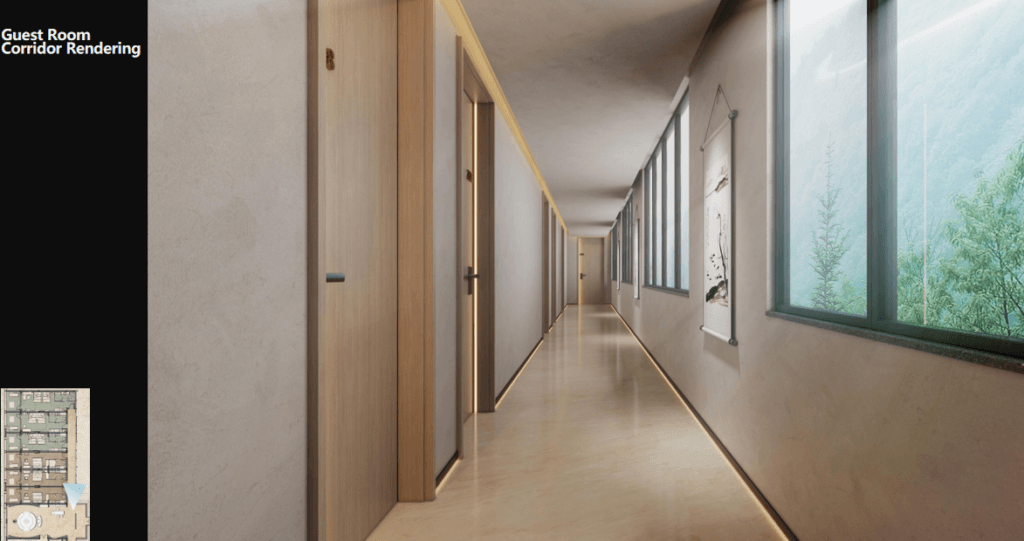
The PMOU Promise: Beyond Renovation, Enduring Guest Experiences
For PMOU, the Chenxi Inn project is more than a renovation success story—it is a testament to our mission to not just furnish spaces, but craft unforgettable guest experiences. By acting as a one-stop service center, we removed complexity from the client’s journey, delivering a cohesive solution that aligned design, procurement, and operations. This project exemplifies our ability to turn hospitality visions into profitable realities, making PMOU the trusted partner for hotel owners seeking a seamless, impactful upgrade.