Cleaning and Maintenance Tips: Discover a PMOU cleaning and maintenance solution to keep your hotel furniture and supplies looking like new, improving efficiency and extending their lifespan. Learn more and take action now!
Introduction
Maintaining the cleanliness and integrity of hotel furniture and supplies is crucial for creating a comfortable guest experience and extending the lifespan of assets. At PMOU, we understand the unique challenges of daily hotel maintenance. That’s why we’ve compiled these practical Cleaning and Maintenance Tips to help you keep your hotel spaces clean, safe, and inviting. From daily cleaning to deep maintenance, this article covers effective maintenance methods for furniture, linens, and equipment.
Why Cleaning and Maintenance Tips Are Essential
Extend Furniture Lifespan and Reduce Costs
Regular cleaning and maintenance keep furniture and supplies in good condition, avoiding frequent replacements, saving the hotel expenses, and maintaining operational quality and aesthetics.
Enhancing Guest Experience and Trust
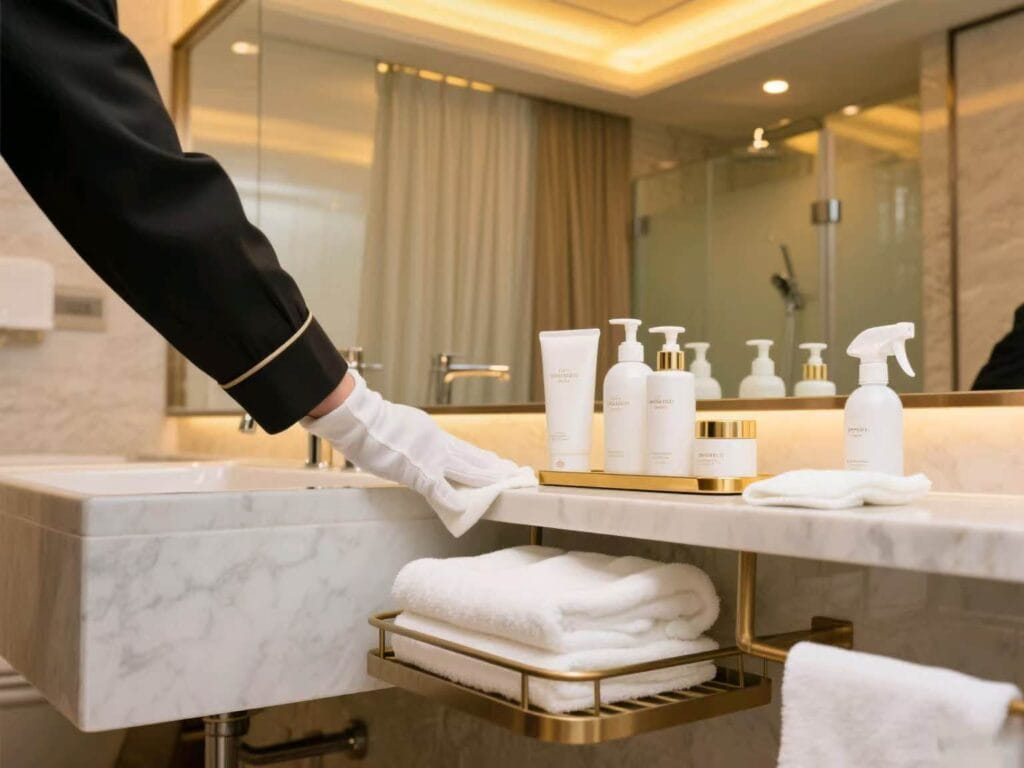
Guests are sensitive to cleanliness, especially in bathroom areas. The overall cleanliness of the lobby, furniture, and supplies impacts guests’ first impressions. According to hotel cleaning staff experience, bathrooms are always cleaned first because they determine the overall “clean feel” of the room.
Optimizing Efficiency and Projecting Professionalism
Establishing a cleaning sequence improves efficiency and ensures thorough cleaning without omissions. Consistency and standardized procedures quickly establish brand professionalism.
Daily Cleaning and Maintenance Tips
1. Dusting and Wiping
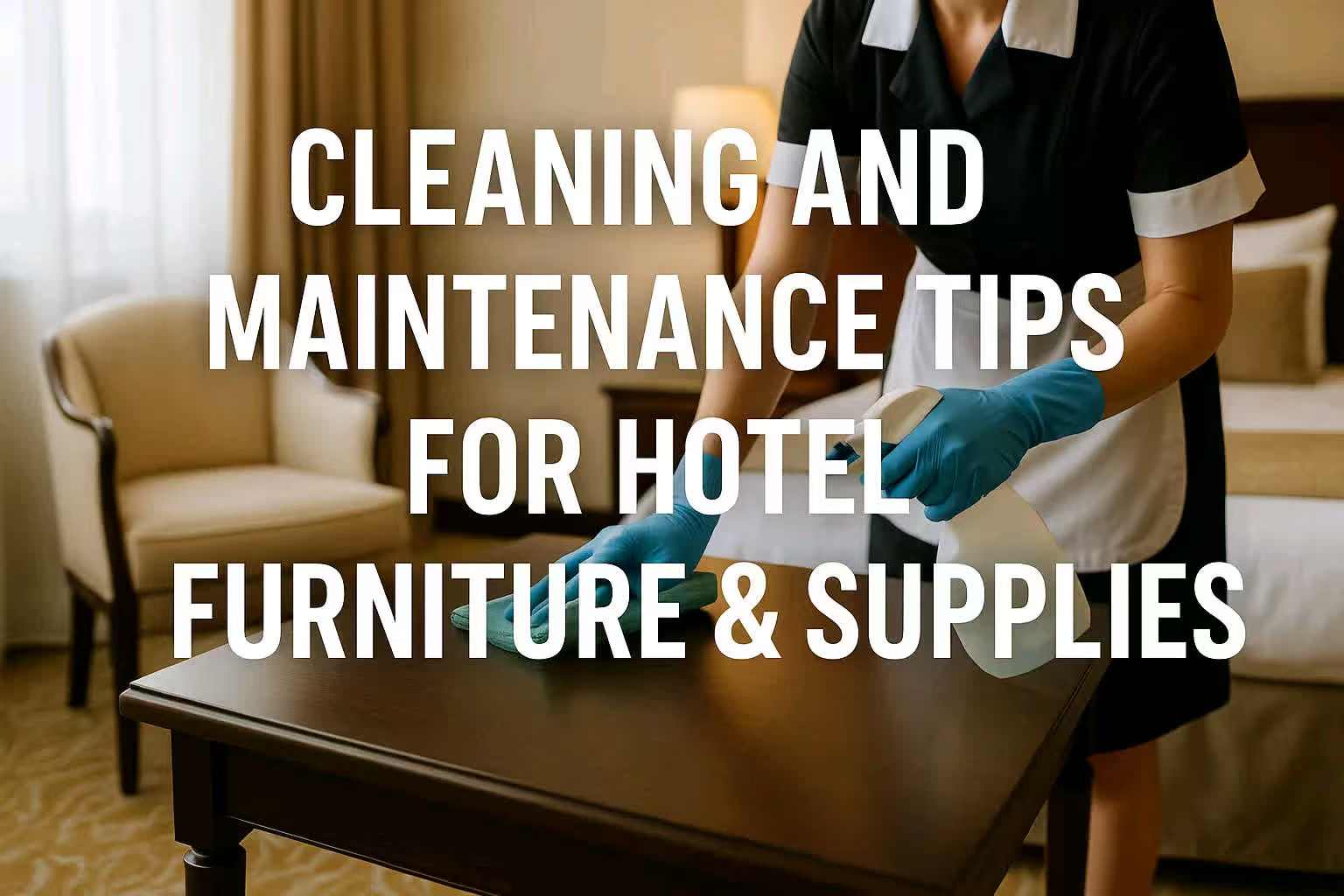
Use microfiber cloths to wipe surfaces such as tables, chairs, and countertops. These cloths are more effective at absorbing dust than traditional cloths and prevent scratching surfaces.
Focus on high-touch areas like door handles, light switches, and remote controls. Disinfect daily with a mild, eco-friendly spray to reduce bacterial growth.
2. Bathroom and Kitchen Inspection
Clean toilets, sinks, and shower areas with disinfectant cleaner to remove soap scum and bacteria. Pay special attention to tile grout and faucet areas.
Use a degreaser to wipe down kitchen countertops and appliances to remove food residue and grease.
3. Bedding Neatness Techniques
Change bed linens using hotel-style techniques, folding corners tightly, such as the “hospital corner” method, for a more refined visual effect. It is recommended to change bedding for each guest and regularly use disinfectant spray to clean the surface of the sheets.
4. Vacuuming and Mopping
Vacuum carpets daily to remove dust and debris. When cleaning hard floors, use a neutral cleaner to mop, avoiding water marks. Do not over-wet wooden floors to prevent warping.
Immediately clean spills locally to prevent stains from lingering. Use a clean cloth to gently absorb the liquid; do not rub vigorously to avoid spreading the stain.
5. Ventilation and Air Freshness
Open windows for ventilation during cleaning and maintenance to improve air quality and reduce chemical cleaner residue.
6. Cleaning Supplies Management
Use designated cloths (e.g., for cleaning, disinfection, or furniture) to prevent cross-contamination.
Weekly Deep Cleaning
Set aside time each week for more thorough cleaning and maintenance.
1. Furniture and Fabric Care
Regularly flip sofa and chair cushions to distribute wear evenly. Use fabric cleaner to remove stains from upholstery.
Wipe wooden furniture with natural beeswax or lemon oil to restore shine and protect the finish. Avoid using harsh chemicals to prevent damage to the wood.
2. Carpet and Floor Cleaning and Maintenance
Use a steam cleaner or dry cleaning agent to remove deep-seated dirt and allergens from carpets. When cleaning tile or stone floors, use a pH-neutral cleaner to prevent discoloration.
Inspect the floor for loose tiles or cracks and repair them promptly to prevent accidents.
3. Window and Glass Cleaning and Maintenance
Use streak-free glass cleaner with a squeegee to clean windows, mirrors, and glass tabletops. Wipe edges with a microfiber cloth to remove residue.
Inspect window caulking for drafts or leaks, and replace as needed to improve energy efficiency.
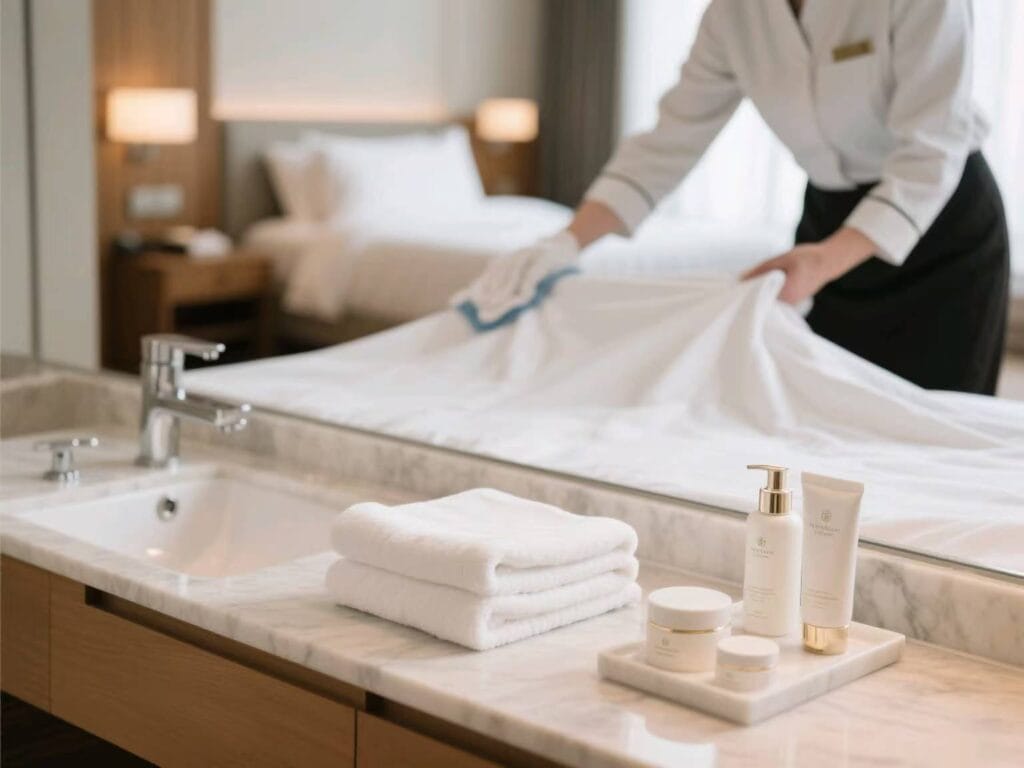
Monthly Cleaning and Maintenance Tasks
Take the following measures to address wear and tear caused by long-term use.
1. Mattresses and Bedding Cleaning and Maintenance
Flip the mattress monthly to prevent sagging. Use a mattress protector to resist spills and dust mites.
Wash bedding in hot water to kill bacteria and restore a clean appearance. Replace bedding that has faded or worn out promptly.
2. Appliance Cleaning and Maintenance
Clean refrigerator cooling fins to improve efficiency and prevent overheating. Use white vinegar to descale kettles and coffee makers to remove mineral deposits.
Check air conditioner filters and replace them promptly when dirty. Clean vents to ensure airflow and reduce allergens.
3. Furniture Inspection
Tighten loose screws on chairs and tables. Use a touch-up pen or wood filler to repair small scratches on wooden furniture.
Use leather conditioner to care for leather furniture, preventing cracking and maintaining a soft texture.
Seasonal Deep Cleaning
Conduct two comprehensive cleanings and maintenance sessions annually to keep the hotel in optimal condition.
1. Curtain and Drape Cleaning and Maintenance
Remove curtains and wash them according to the manufacturer’s instructions. High-end fabrics are recommended for dry cleaning.
Use a vacuum cleaner to remove dust and debris from curtain rods and tracks.
2. Upholstery and Carpet Cleaning and Maintenance
Rent a professional carpet cleaner or hire a cleaning service to deep clean carpets and upholstered furniture. This removes allergens and refreshes the fabric.
Steam clean rugs to remove pet odors (if applicable) and restore color.
3. Exterior Maintenance
Use a high-pressure water gun to clean external areas such as sidewalks and patios to remove dirt and mold. Inspect outdoor furniture for rust or damage and repaint if necessary.
Trim bushes and trees near windows to prevent debris buildup.
Specialized Cleaning for Different Materials
Different types of furniture require specific cleaning and maintenance methods. Here are the details:
1. Wooden Furniture
Avoid direct sunlight and heat sources to prevent warping or fading. Place coasters under drinks to protect the surface from water stains.
Wipe with a damp cloth and dry immediately. Apply furniture wax once every quarter to maintain luster.
2. Leather Furniture
Wipe immediately with a dry cloth after spills. For stains, clean with mild soapy water, rinse, and thoroughly dry.
Treat leather furniture every 3–6 months with a leather moisturizer to prevent cracking and maintain softness. Avoid using oily products.
3. Metal furniture
Clean with a soft cloth and non-abrasive cleaner. Dry thoroughly to prevent rusting.
Apply rust inhibitor to outdoor metal furniture before storing for the winter.
4. Upholstered furniture
Vacuum regularly to remove dust and pet hair. Use an upholstery stain remover for spills, following the manufacturer’s instructions.
Avoid using harsh chemicals to prevent fabric fading or damage.
Eco-friendly cleaning solutions
- Choose sustainable products to reduce environmental impact and guest allergy risks.
2. Use plant-based cleaners certified by GREENGUARD or the U.S. EPA’s “Safer Choice” program.
3. Make your own cleaners using white vinegar, baking soda, and lemon juice for tasks like descaling or disinfecting.
4. Invest in reusable microfiber cloths and mop heads to reduce waste from single-use items.
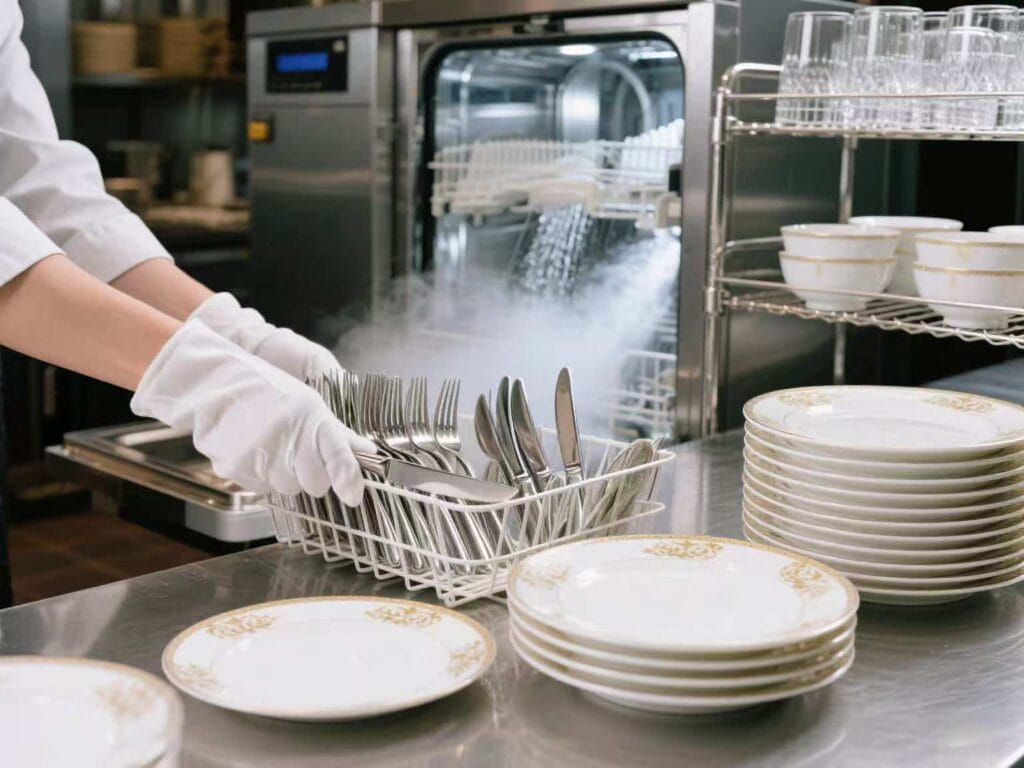
Common mistakes to avoid
Avoid these pitfalls to prevent damage:
- Over-wetting surfaces: Excessive moisture can cause wood to warp or mold to grow.
- Using bleach on colored fabrics: This may cause fading and fiber damage.
- Ignoring minor repairs: Loose screws or minor tears, if not addressed promptly, may lead to more severe damage and increased repair costs.
Why Choose PMOU?
At PMOU, we offer a wide range of high-quality, durable furniture and supplies specifically designed to meet hotel needs. Our products offer the following advantages:
Easy to clean: Many furniture pieces feature stain-resistant fabrics and non-porous surfaces.
Environmentally friendly: We prioritize sustainable materials and products certified by GREENGUARD.
Cost-effective: Durable designs reduce the need for frequent replacements, saving you time and money.
Practical Tips and Call to Action
1. Develop a periodic Cleaning and Maintenance plan: Create a checklist of daily, weekly, monthly, and quarterly tasks to ensure nothing is overlooked.
2. Employee training and implementation: Ensure the cleaning team is familiar with handling methods and tool usage for different materials to avoid mistakes.
3. Establish maintenance records and feedback mechanisms: Document maintenance execution and customer feedback to continuously optimize processes.
4. Leverage the advantages of PMOU products when making purchasing decisions: Choose easy-to-maintain materials, standardized products, and use supporting maintenance tool kits.
Summary
This Cleaning and Maintenance Tips guide has broken down daily and periodic cleaning and maintenance steps in detail, clarified specialized care methods for different materials, and integrated the product advantages of PMOU.
The goal is to help operators improve efficiency, extend furniture lifespan, enhance guest satisfaction, and achieve greater value.
For more professional advice and high-quality products, please visit PMOU!
Email: cynthia@pmou-int.com
Phone: +86-566-2311810