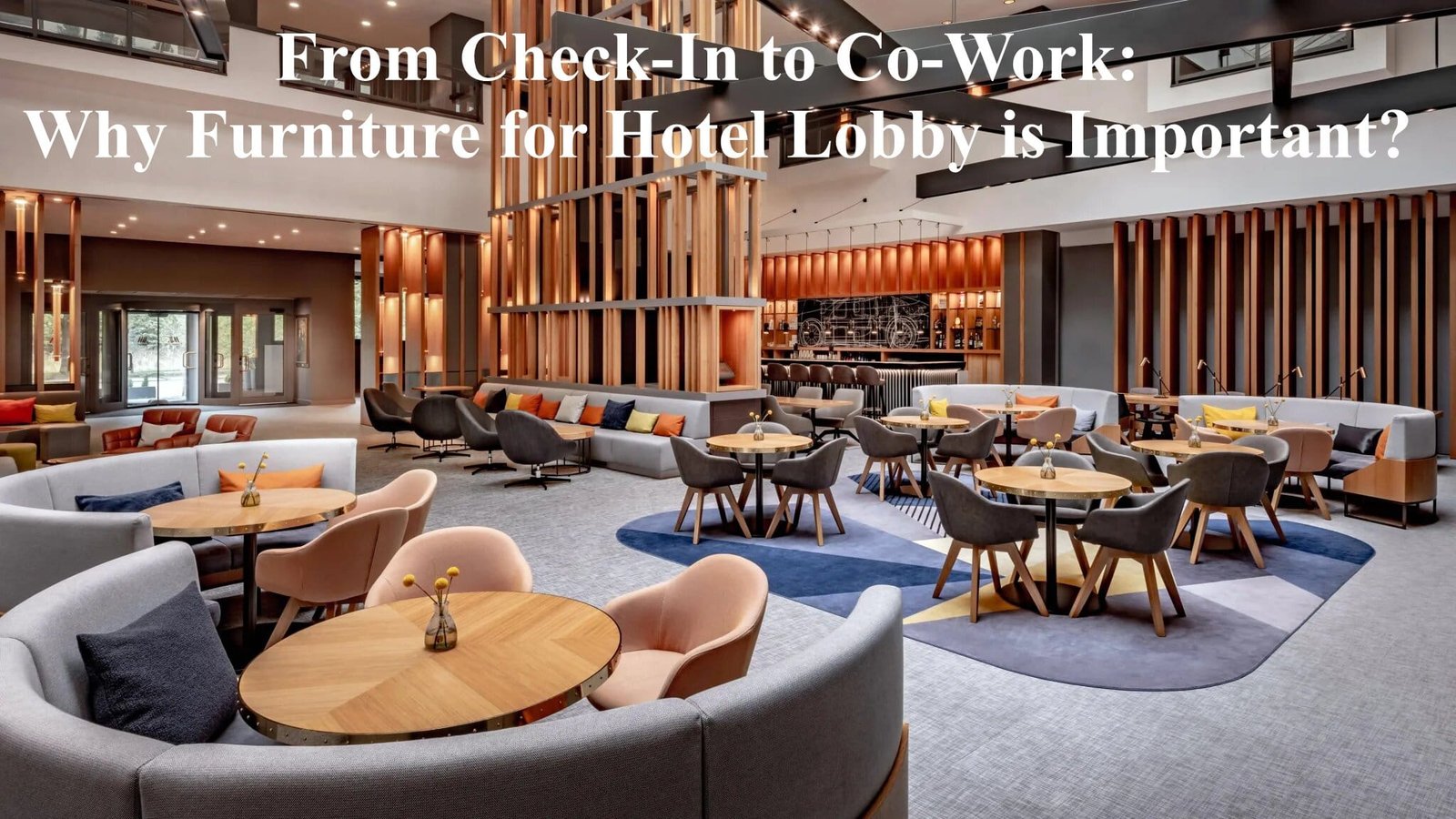
In contemporary hospitality, the hotel lobby is not as simple as a transitional space: it has evolved into a commercial environment that functions simultaneously as a reception area, social lounge, informal workspace, and brand showcase. At the center of this transformation lies furniture for the hotel lobby spaces, which now carries a dual responsibility: delivering a refined guest experience while supporting measurable business outcomes.
For established hotel brands and rapidly expanding hospitality groups, the decisions of furniture for the hotel lobby directly influence guest perception, operational efficiency, and long-term asset value. The difference between a lobby that merely looks appealing and one that actively performs lies in how thoughtfully its furniture is designed, specified, and deployed.
Furniture for the Hotel Lobby as a Commercial Asset
From a business standpoint, the hotel lobby seating is a capital investment rather than a decorative afterthought. Well-planned furniture layouts extend guest dwell time, encourage repeat visits, and unlock secondary revenue opportunities.
Comfortable seating clusters, integrated worktables, and adaptable lounge zones invite guests to remain in the lobby beyond check-in. This extended presence often translates into increased food and beverage consumption, informal meetings, or co-working usage—each contributing incremental revenue without expanding physical footprint.
Equally important is the total cost of ownership. Commercial-grade furniture for the hotel lobby is engineered to withstand continuous, high-traffic use. Reinforced internal structures, high-resilience foam, and performance upholstery significantly reduce replacement cycles and maintenance interventions.
Data Support: Based on PMOU’s over 10 years of experience serving branded luxury hotels, commercial-grade lobby seating has an average service life of 7-10 years, compared to 3-4 years for residential-grade alternatives. Over a 5-year cycle, the TCO* (including purchase, maintenance, and replacement) of commercial-grade furniture is 42% lower—saving a 200-room hotel an average of $38,000 in lifecycle costs.
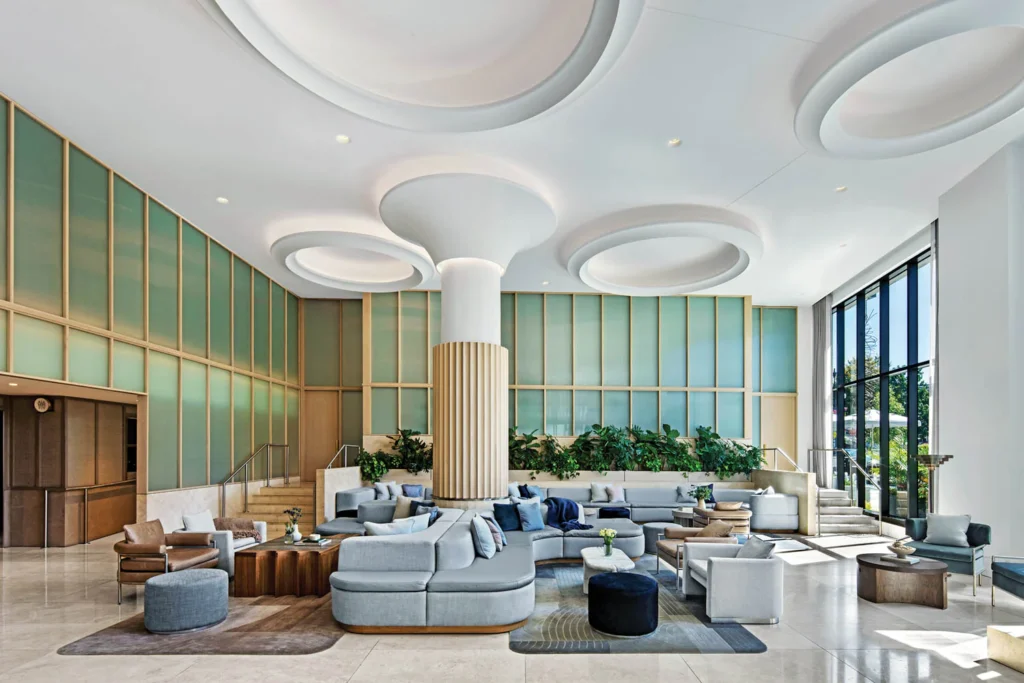
Guest Experience Starts with Furniture for the Hotel Lobby
Guest expectations have shifted decisively. Today’s travelers—whether leisure-focused or business-oriented—expect lobbies to feel residential in comfort yet professional in functionality. High-quality hotel lobby furniture plays a defining role in meeting this expectation.
Ergonomically designed seating with proper lumbar support encourages relaxation and prolonged use. Upholstery textures, seat depth, and armrest geometry all contribute to perceived comfort, which in turn affects how guests emotionally connect with the space.
Modern lobby planning also relies heavily on purposeful zoning, achieved almost entirely through furniture configuration:
- Work-focused zones feature communal tables, task lighting, and accessible power integration, supporting remote work and informal meetings.
- Social lounges are formed through sofa groupings, accent chairs, and coffee tables that promote conversation and casual interaction.
- Arrival and waiting zones near reception counters reduce perceived waiting time and improve flow during peak check-in periods.
Lobby furniture for hotel, in this context, becomes an architectural tool—guiding movement, defining function, and shaping experience without requiring permanent structural changes.
Aesthetic Impact and Brand Identity Delivered by Hotel Lobby Furniture
The lobby is the first physical brand touchpoint, and guests typically form lasting impressions within the first minute of arrival. Luxury hotel lobby furniture can communicate brand positioning instantly through material selection, form language, and spatial rhythm.
Current design trends favor rich textures, layered materials, and expressive silhouettes over sterile minimalism. Jewel-toned fabrics, wood finishes, and statement lounge pieces create visually compelling environments that are both memorable and shareable. These “Instagram-ready” moments reinforce brand visibility organically while maintaining a premium atmosphere.
Biophilic elements—such as natural wood finishes, integrated greenery, and soft organic shapes—further enhance emotional comfort and align with global wellness-driven hospitality trends.
When combined with carefully layered insights, furniture for the hotel lobby becomes part of a holistic sensory experience that evolves throughout the day.
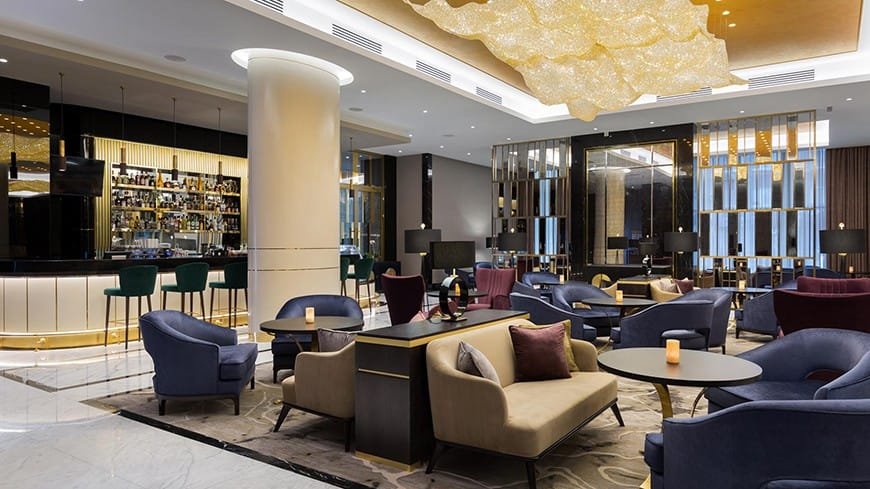
Strategic Standards for Public-Space Furniture
To protect both guest experience and commercial value, lobby furniture must meet strict technical and regulatory standards.
- Durability is non-negotiable. Upholstery in public seating areas typically requires a heavy commercial rating, often exceeding 100,000 double rubs on the Wyzenbeek test**, to ensure resistance to abrasion and visible wear.
- Fire safety compliance is equally critical. Hospitality furniture must meet established standards such as NFPA 260 or 261***, particularly in high-occupancy or non-sprinklered areas.
- Additionally, circulation clearances and accessible seating configurations must align with recognized accessibility guidelines, ensuring inclusivity without compromising design integrity.
- Operational efficiency is another decisive factor. Modular seating systems and stain-resistant performance fabrics simplify cleaning, enable rapid reconfiguration, and reduce labor costs—especially in properties hosting frequent events or seasonal activations.
Partnering with the Right Hotel Lobby Furniture Suppliers: PMOU
Given the complexity of these requirements, experienced hotel reception area furniture suppliers play a pivotal role in translating design intent into operational reality. This is where integrated solution providers such as PMOU add measurable value.
At PMOU, we specialize in comprehensive , supporting hospitality projects from concept development through manufacturing and delivery. Rather than offering isolated furniture pieces, BFP Furniture approaches lobby environments as integrated systems. We can align layout planning, material selection, standards, and durability specifications with your hotel’s brand positioning and operational needs.
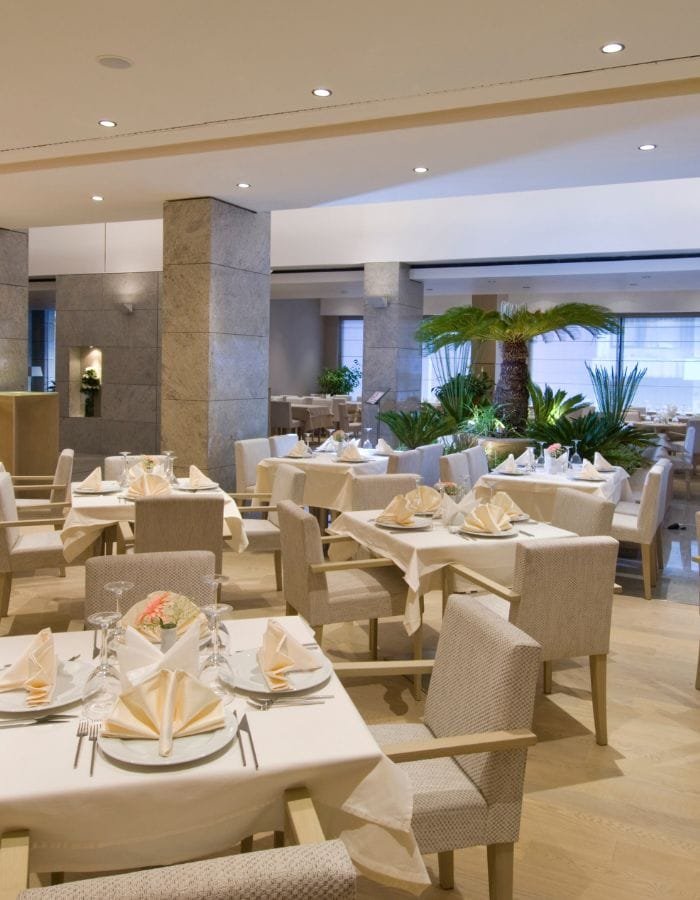
Through our furniture for hotel lobby service, PMOU collaborates closely with developers, designers, and operators to deliver lobby furniture that balances luxury aesthetics with commercial-grade performance. This end-to-end approach ensures visual consistency, technical compliance, and long-term reliability across large-scale hospitality projects.
PMOU exemplified this in the Hotel 39 project in Montego Bay, Jamaica, delivering a coordinated lobby environment where aesthetic refinement and commercial-grade durability were seamlessly integrated. By managing the project from concept development through material selection, manufacturing, and delivery—including bespoke pieces such as the modular sofa with teak base—PMOU ensured alignment with the hotel’s brand positioning, operational standards, and long-term performance expectations, thereby providing a comprehensive and reliable solution for high-end hospitality spaces.
Conclusion
Ultimately, furniture in the hotel lobby functions much like the living room of a city. It can share space where arrivals become experiences and evolve into meaningful interactions in brief moments. When designed strategically, lobby furniture transforms a passageway into a destination—one that invites guests to stay, work, connect, and return.
For established hospitality brands, investing in high-performance furniture from PMOU for hotel lobby spaces is not about trends. It is about aligning guest comfort, brand identity, and operational durability into a single, revenue-supporting environment that continues to perform long after the first check-in.
You can contact us directly to get more solutions on furniture customization for your project!
*TCO: In hotel management, TCO refers to the complete, long-term cost of acquiring, operating, maintaining, and eventually replacing assets—such as furniture or equipment—over their entire lifecycle.
** The Wyzenbeek test: The Wyzenbeek test is a standardized method used in the textile and upholstery industry to measure the abrasion resistance of fabrics, determining how well a material can withstand repeated rubbing or wear over time.
*** NFPA 260 or 261: NFPA 260 and 261 are standards that test the flame resistance of textiles, ensuring fabrics meet safety requirements for ignition and burn performance in commercial settings such as hotels.