Planning to open a hotel and unsure how to buy furniture and equipment the right way?
This Hotel FF&E Guide explains a clear 7-step process used by successful hotel owners.
According to SNS Insider, the global hotel furniture market reached $61.71 billion in 2025 and is expected to grow to $98.34 billion by 2033. This growth shows that more hotels are being built and upgraded, and guests now expect higher quality.
I have 8 years of experience in hotel design. By following these steps, I have seen hotel owners avoid common mistakes such as overspending, poor product quality, and delayed openings.
What is FF&E and Why Does It Matter?
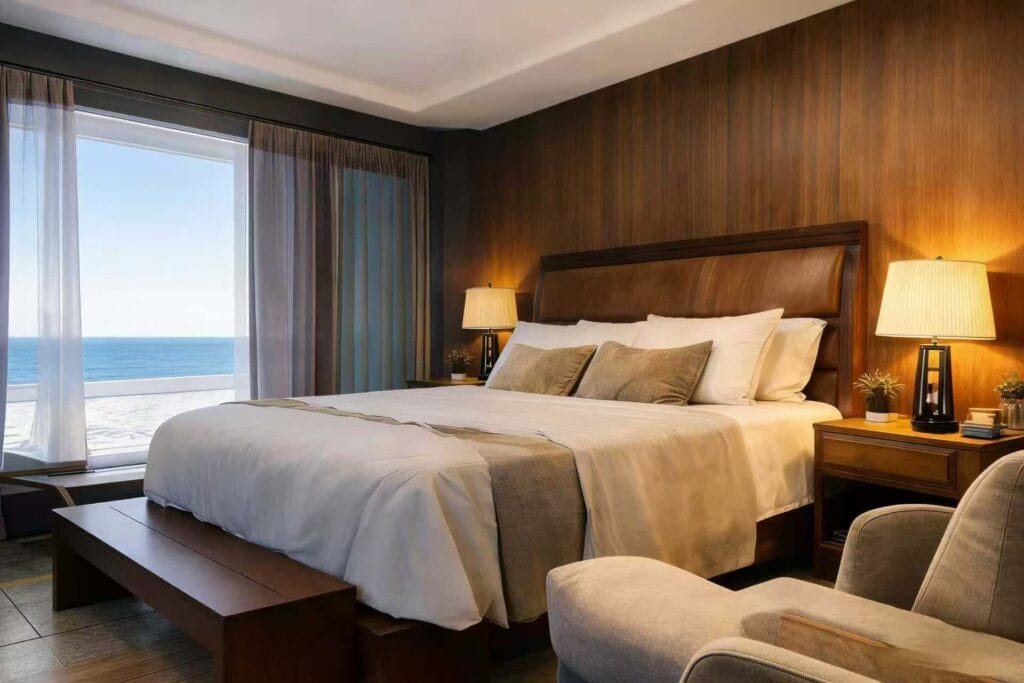
In this Hotel FF&E Guide, FF&E means Furniture, Fixtures & Equipment—everything guests can see and touch in your hotel. This includes beds, chairs, desks, lighting, TVs, and artwork.
According to the FF&E Market Demand Index (Q2 2024), hotels in the Americas are expected to spend $10.2 billion by 2027, with over $7.1 billion in the U.S.
FF&E is different from OS&E (Operating Supplies & Equipment). FF&E items last 3–7 years and lose value over time, while OS&E includes items replaced often, such as linens, towels, and tableware.
FF&E usually makes up about 9% of total hotel construction costs, making it a key investment.
FF&E Budget by Hotel Type
| Hotel Type | Cost Per Room | % of Total Budget | How Long It Lasts | Money to Save Each Year |
| Economy (2-Star) | $4,000 – $7,000 | 8-10% | 5-7 years | 2-3% |
| Midscale (3-Star) | $8,000 – $15,000 | 10-12% | 7-10 years | 3-4% |
| Upscale (4-Star) | $15,000 – $25,000 | 12-14% | 10-12 years | 4-5% |
| Luxury (5-Star) | $25,000 – $50,000 | 14-15% | 12-15 years | 5%+ |
The 7-Step Hotel FF&E Guide Process
Following this Hotel FF&E Guide’s simple steps helps hotel owners manage the buying process and avoid risks.
Step 1: Plan Your Budget
In this Hotel FF&E Guide, start by setting a clear budget. Check supplier prices, delivery times, shipping, storage, and delivery fees to get accurate numbers. Use the budget table above to compare with similar hotels.
Common mistakes include ignoring long-term costs, skipping maintenance, and not planning for surprises. Don’t look only at the item price—include delivery, installation, and future changes.
Step 2: Create a Timeline
Buying hotel furniture usually takes 12–18 months. This Hotel FF&E Guide recommends starting during hotel design, not after construction begins.
The process includes six steps: defining needs, selecting suppliers, approving designs, manufacturing and quality checks, shipping, and final installation.
Your supplier compares trusted vendors, negotiates pricing, sets realistic delivery dates, and helps avoid delays and quality issues.
Step 3: Make Sample Rooms
In this Hotel FF&E Guide, a sample room (mock-up room) is a test version of a hotel room. It lets you check furniture layout, colors, and finishes before full production.
Sample rooms confirm orders, check fit and quality, meet brand standards, and allow changes early. Completing this step early helps avoid costly mistakes later.
Step 4: Order and Track Your Furniture
In this Hotel FF&E Guide, after approving the sample room, you can place furniture orders. Work with your supplier to select vendors, agree on prices, and order durable items made for daily hotel use.
A common mistake is unclear product details. Missing sizes, materials, or finishes can cause errors and costly changes.
Choose suppliers who understand hotel projects, shipping, and installation. Review samples, warranties, and past hotel work before deciding.
Step 5: Check Quality and Track Progress
After placing orders, track production and delivery to ensure furniture arrives on time and in good condition. This includes monitoring shipments, coordinating with contractors, and fixing issues quickly.
Quality control is critical. Poor checks lead to defects and short product life. Inspect the factory at three stages: material arrival, mid-production, and before shipping.
Check construction quality, finish durability, and maintenance needs. Strong quality control helps furniture last as long as planned in your budget.
Step 6: Arrange Delivery and Installation
Keep delivery and installation well organized. Make sure all teams know their tasks. Good coordination between factories, shippers, and installers helps avoid delays and damage.
Tight spaces like elevators, stairways, and doorways can be risky. An experienced installation team can move large furniture safely.
Plan shipping to match your construction schedule. Choose suppliers who offer storage, quality checks, and on-time delivery. Track and label every item from factory to installation.
Step 7: Final Check and Handover
The final step is inspection. Check that all furniture is installed correctly and ready for guests.
This includes testing items, fixing damage or missing pieces, getting final approval with item lists, and handing over maintenance guides and warranties. Support after installation is also important.
At closeout, collect all documents, including furniture data sheets, warranties, safety manuals, and fire certificates. Careful checks at this stage prevent problems later.

Common Problems and How to Solve Them
Understanding challenges helps you follow this Hotel FF&E Guide effectively.
- Spending Too Much: Unexpected costs add up fast. Keep a detailed budget with 5–10% extra for emergencies and build annual savings.
- Supply Problems: Material shortages or shipping delays can disrupt orders. Have backup suppliers, plan extra time, and include schedule buffers.
- Poor Quality: Don’t choose furniture just for looks. Check material durability, construction, and warranties to avoid early replacements.
- Poor Communication: Regular meetings with contractors, designers, and suppliers prevent delays and extra costs.
- Brand Requirements: Follow brand standards for finishes and layouts. Professional suppliers help avoid costly corrections and ensure approval.
How to Choose the Right Furniture Partner
Picking an experienced furniture buying partner greatly affects project success. This Hotel FF&E Guide recommends checking partners based on several points.
- Experience and Past Work: Hotel furniture installation requires special knowledge. An experienced partner understands hotel-specific needs, prevents common problems, and won’t cause project delays. Look for partners with proven success in hotel projects.
- Supplier Network: Experienced providers use global supplier networks to find high-quality materials or make custom hotel furniture meeting brand requirements, whether for Hilton, Marriott, or boutique properties. Seek partners with established supplier relationships, proven ability to find materials globally, and experience managing international shipping.
- Project Management Skills: Assign a dedicated project manager to oversee each phase of furniture buying for smoother coordination. Good project management ensures on-time delivery, quality control, and staying within budget.
- Technology and Reports: Modern furniture buying benefits from technology. Partners should provide real-time tracking, inventory systems, and clear reports throughout the process for quick problem-solving and smart decision-making.
PMOU: Your Complete Solution
PMOU to solve the exact problems outlined in this Hotel FF&E Guide. As a trusted manufacturer and international supplier of custom hotel furniture and premium hotel supplies, we combine our own production facilities with an experienced sourcing network to provide tailored FF&E and OS&E solutions for hotels worldwide.
What We Do:
- Design to Manufacturing: We review your plans during the design phase, finding potential problems before production begins. Our team provides material recommendations and checks if your vision can be made within your budget and timeline.
- Quality Control: With our own production facilities, we maintain direct quality control throughout manufacturing. Our inspection process ensures all items meet brand standards and durability requirements before shipping.
- Global Sourcing Network: Beyond our manufacturing, our experienced sourcing network allows us to provide complete FF&E and OS&E solutions. We use established supplier relationships to deliver everything from custom furniture to operational supplies.
- Shipping and Delivery Support: We manage the complete supply chain from manufacturing to delivery, coordinating overseas freight, customs clearance, and job site delivery to match your construction timeline.
Our Promise:
Combining craftsmanship, functionality, and dependable export service, we bring elegance, efficiency, and long-term value to every hotel we help create. From boutique hotels to luxury resorts, our solutions are designed to exceed guest expectations while meeting your operational and financial goals.
Visit PMOU to learn more about our custom hotel furniture solutions and request a consultation for your next project. Whether you’re planning a new build or renovation, our team is ready to support your furniture buying needs from concept to completion.
Frequently Asked Questions
Q: How long does buying hotel furniture take?
A: Buying hotel furniture usually takes 12–18 months, including design, production, shipping, and installation. Starting early helps avoid opening delays.
Q: What is the difference between FF&E and OS&E?
A: FF&E includes long-term items like beds, chairs, and lighting.
OS&E includes consumables like linens, towels, tableware, and toiletries.
Q: How much money should I save for future furniture replacement?
A: Hotels should set aside 2–5% of furniture costs per year for future replacement. Luxury hotels often need a higher budget.
Conclusion: Success Through Smart Planning
Successful furniture buying requires smart planning, focus on quality, and experienced partnerships. By following this Hotel FF&E Guide’s 7-step process, you can avoid common mistakes, control costs, and deliver great guest experiences. The difference between smooth execution and costly delays often comes down to early planning and choosing the right partners who understand hotel industry needs.