When it comes to hotel fit out, budgeting is one of the biggest factors behind project success. Managing hotel fit out cost well means planning early and using reliable hotel development cost benchmarks before major design and procurement decisions begin.
In this guide, we’ll break down the key factors that shape fit out budgets and show you how to plan with more clarity and control. Whether you’re developing an economy hotel or a high-end property, understanding the cost structure is essential to making smarter project decisions.
What is Hotel Fit Out?
Before diving into the cost breakdown, it’s important to understand what hotel fit out actually involves. In simple terms, it refers to the process of outfitting a building to prepare it for hotel use. This includes everything from the installation of flooring, walls, and ceilings to the furniture, fixtures, and equipment (FF&E) that make a hotel functional and attractive to guests.
Fit out is often confused with renovation, but the two are distinct. Renovation focuses on updating or refurbishing an existing space, while a fit out is a more comprehensive process that turns an empty or shell space into a fully functional hotel.
Key Factors That Impact Hotel Fit Out Cost
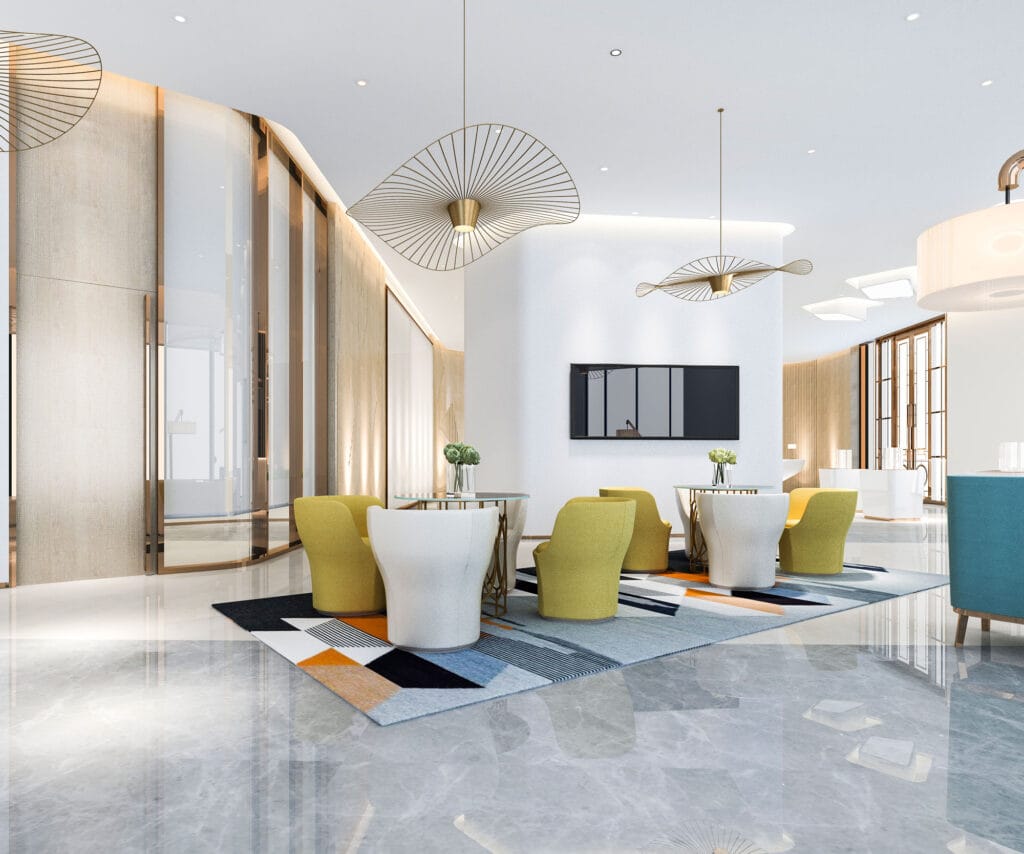
There are several elements that influence the cost of a hotel fit out. These factors can vary significantly depending on the location, design choices, and the overall complexity of the project.
Location
Costs can vary greatly depending on the city or country where the hotel is located. High-demand areas like New York or London tend to have higher costs due to expensive labor, material, and transportation. In contrast, remote locations might have lower costs, but logistics can add to the overall expense.
Hotel Category
The type of hotel you’re developing plays a major role in determining costs. Budget hotels typically have simpler designs and furnishings, resulting in lower fit out costs. However, luxury hotels require high-end finishes, custom furniture, and advanced technology, significantly raising the cost.
Design Complexity
The more complex the design, the higher the cost. Custom designs, intricate architectural features, and premium materials add up quickly. Hotels that aim for a distinctive aesthetic with bespoke details will incur higher fit out costs compared to more standard designs.
Brand Standards
Established hotel brands often have specific standards and guidelines for their fit outs. These standards can include the type of furniture, the quality of finishes, and the overall design concept. Meeting these brand requirements often leads to increased costs.
Labor & Material Costs
Labor costs vary by location, and the choice of materials can make a huge difference in the final budget. High-quality materials such as marble or custom-designed furniture can raise the cost significantly, while more basic materials might keep costs lower.
Cost Breakdown: How to Allocate Your Budget
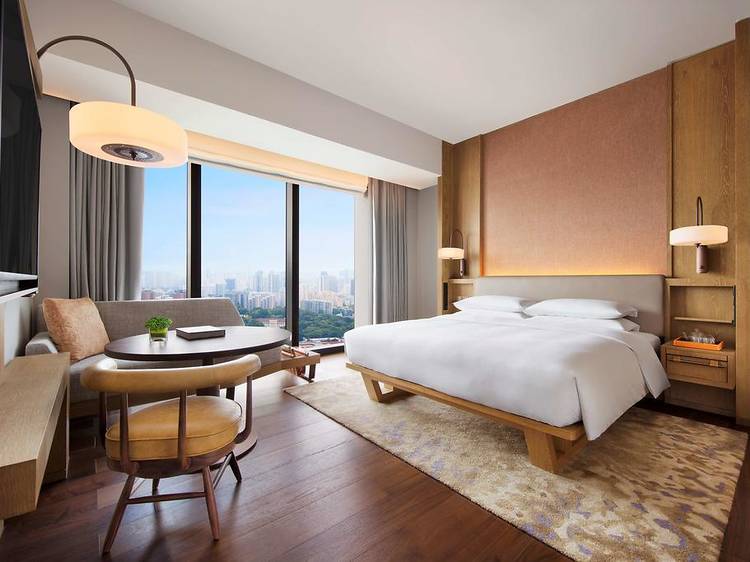
A hotel fit out involves multiple cost components, and it’s essential to allocate your budget wisely across these areas. Here’s a breakdown of the main cost categories:
| Cost Category | What It Covers |
| Hard CostsSoft Costs | These are the costs related to the physical construction of the hotel, including the structure, flooring, ceilings, walls, and basic plumbing and electrical systems. Hard costs usually make up the majority of your budget. |
| Soft Costs | Soft costs include fees for things like design, permits, insurance, and other administrative expenses. Though they are often overlooked, they can quickly add up, so it’s essential to include them in your initial budget. |
| FF&E Costs | This category covers all the furniture, appliances, and decor that make the hotel operational and aesthetically pleasing. From guest room furniture to lobby seating and kitchen equipment, these costs will vary based on the hotel’s style and brand standards. |
| Contingency Budget | It’s important to set aside a contingency fund (typically 5-10% of your total budget) to account for unexpected expenses that arise during the fit out process. Supply chain issues, design changes, or unforeseen delays could lead to extra costs, and a contingency budget helps mitigate these risks. |
Hotel Fit Out Cost for Different Hotel Types
Not every hotel project follows the same budget logic. A luxury resort and a limited-service hotel may both need a hotel fit out, but the cost structure behind them is very different. That’s why it is safer to compare hotel types by scope, finish level, and operational requirements, rather than by fixed price tags.
Economy Hotels
Economy hotels usually focus on efficiency, durability, and fast delivery. The design is often simple. Guest rooms tend to use standard layouts, practical materials, and easy-to-replace furniture. Public areas are also more compact.
Because of that, the hotel fit out cost is usually driven by function rather than statement design. Developers in this segment often prioritize speed, consistency, and long-term maintenance control.
Mid-Scale Hotels
Mid-scale hotels sit in the middle ground. They need to feel more polished than economy properties, but they still need to stay cost-conscious. This often means better finishes, more comfortable furnishings, and a stronger focus on guest experience.
At this level, the budget usually expands in visible areas such as the lobby, guest room details, lighting, and bathroom upgrades. The goal is not to look extravagant. It is to create a hotel that feels reliable, modern, and guest-friendly.
Upscale and Full-Service Hotels
Upscale and full-service hotels usually require a broader fit out scope. Beyond guest rooms, they often include restaurants, lounges, meeting rooms, wellness areas, and more complex back-of-house functions.
That wider scope naturally raises coordination needs. It also increases the pressure on materials, MEP integration, brand expression, and operational planning. In these projects, hotel fit out is no longer just about finishing space. It becomes part of the hotel’s business model and guest positioning.
Luxury Hotels
Luxury hotels typically carry the highest design expectations. Here, the fit out is not only functional. It is experiential. Guests notice the texture of the materials, the lighting mood, the joinery quality, and the sense of detail in every space.
That usually means more custom work, more premium materials, and more collaboration across design, procurement, and installation teams. Luxury projects also tend to demand a stronger balance between aesthetics, brand identity, and flawless execution. In other words, this is where complexity climbs fast.
Boutique Hotels
Boutique hotels are a bit different. They may not always be the largest projects, but they can still be expensive to fit out. Why? Because smaller scale does not always mean lower complexity.
Boutique concepts often rely on unique design language, custom furniture, curated finishes, and a strong sense of place. A hotel like this may use fewer rooms, but each space may require more design attention. That can push the hotel fit out cost higher than many developers first expect.
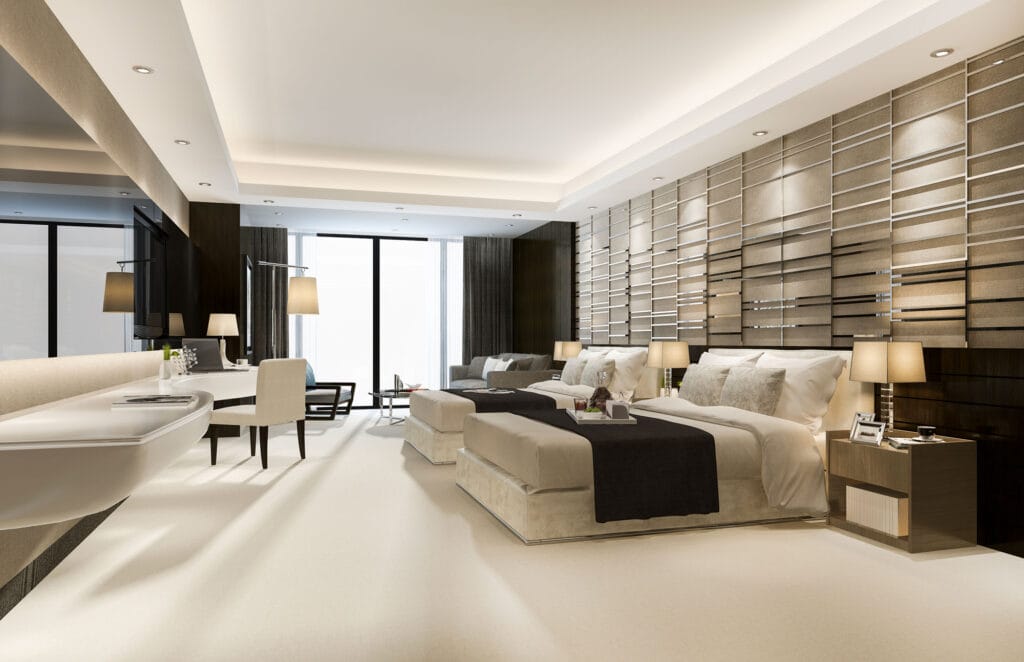
Why Hotel Type Matters in Budget Planning
The biggest mistake is assuming that hotel size alone determines budget. It does not. A smaller hotel with custom interiors can be more demanding than a larger hotel with standardized rooms.
A better way to plan is to ask:
- How complex is the guest experience?
- How customized is the design?
- How many public areas are included?
- What level of finish does the brand expect?
- How much operational infrastructure is needed behind the scenes?
That is the real budgeting lens. Hotel type shapes fit out cost not just through room count, but through design ambition, service model, and execution complexity.
How to Control Hotel Fit Out Costs
Controlling hotel fit out cost is not about cutting corners. It is about making better decisions early, before small changes turn into expensive problems. The more complex the hotel, the more important cost control becomes.
Scope Management
A clear project scope is one of the best ways to protect your budget. Before the fit out starts, key decisions should be aligned across layout, finishes, furniture, and operational requirements. If the scope keeps changing during execution, costs can rise fast. In many projects, budget overruns do not come from one big mistake. They come from many small changes.
Supplier Coordination
Good supplier planning can reduce cost pressure long before installation begins. This is not only about asking for lower prices. It is also about choosing the right materials, confirming specifications early, and avoiding delays caused by late approvals or product changes. When procurement is handled well, the project becomes easier to control.
Efficient Project Management
Strong project management keeps the fit out moving in the right direction. It helps teams stay aligned on schedule, budget, quality, and site coordination. A well-managed project can catch problems early, before they grow into delays, waste, or rework. Think of it like steering a ship. Small corrections early are much easier than major fixes later.
Contingency Planning
Even well-planned hotel projects can face unexpected issues. Material delays, design updates, and site conditions can all affect cost. That is why a contingency plan matters. It gives the project room to absorb surprises without throwing the entire budget off balance.
Conclusion
Budgeting a hotel fit out is not just about controlling spending. It is about making smarter decisions from the start. The right budget should reflect your hotel type, design scope, operational needs, and delivery strategy. When these pieces are aligned early, the project becomes easier to manage and less likely to face costly surprises later.
A successful hotel project is not always the one that spends the most. It is the one that plans clearly, allocates wisely, and executes with control. That is where a strong fit out partner can make a real difference.
At Onestophotelffe.com, we help developers turn early planning into practical fit out solutions. From scope coordination to delivery support, our team works to keep hotel projects more controlled, more efficient, and easier to move forward with confidence. To explore the right fit out strategy for your project, contact us and speak with our team.