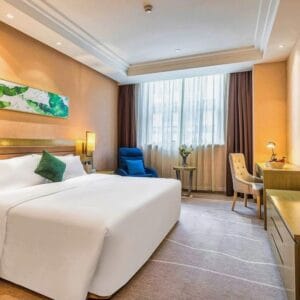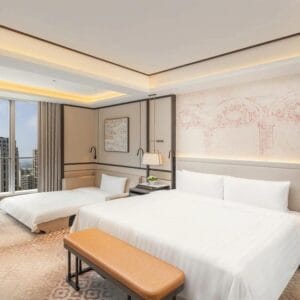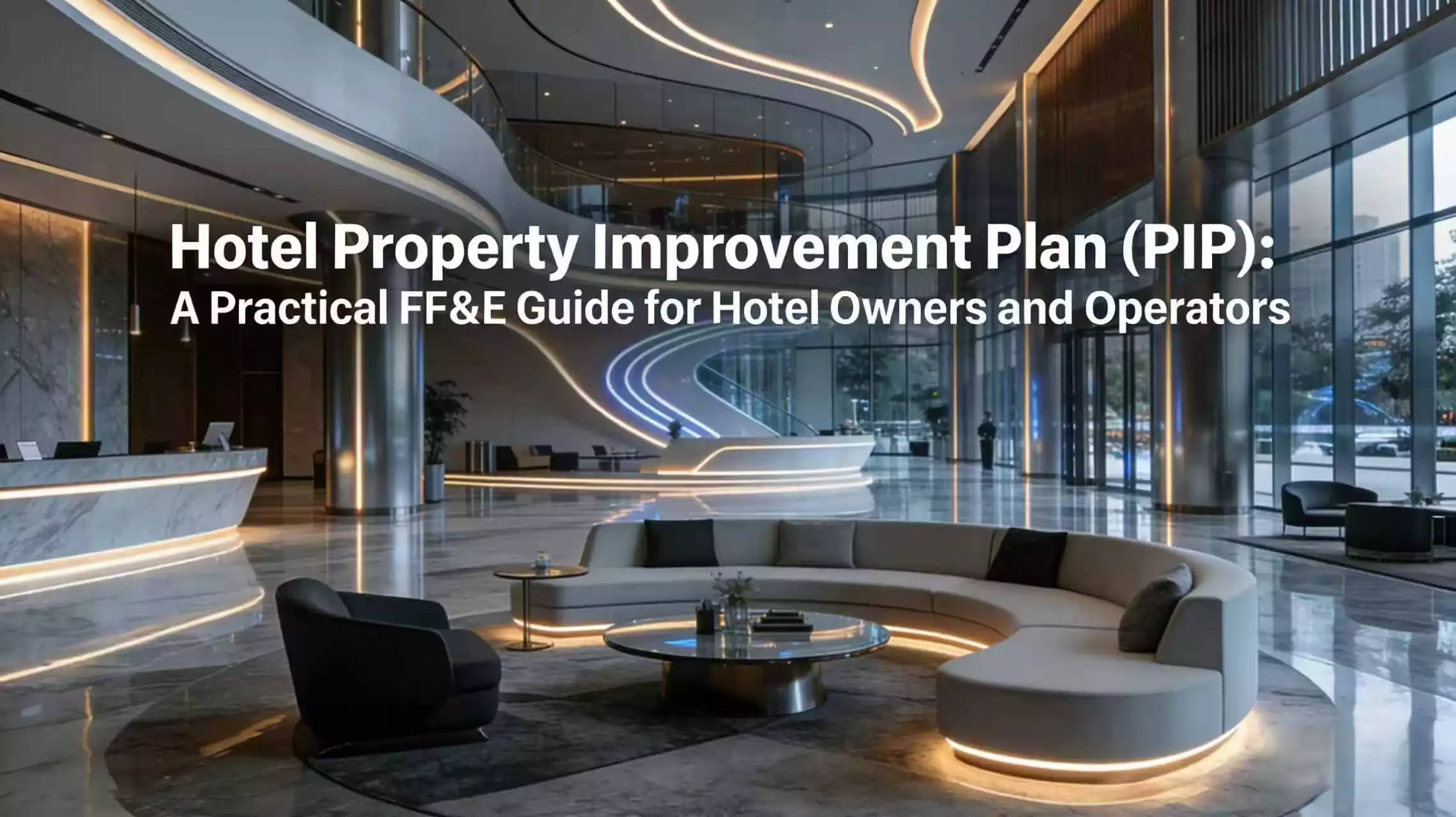
A hotel property improvement plan, or PIP, is one of the most important documents a hotel owner can receive. In simple terms, it is the franchisor’s required scope and schedule for bringing a property up to brand standards. Industry sources describe a PIP as a brand-driven renovation roadmap that often covers guestrooms, public areas, and operational upgrades.
For owners and operators, a PIP is more than a renovation checklist. It is a business decision that affects brand compliance, guest experience, project cost, and timing. FF&E is often a major part of the plan, which makes early procurement planning especially important.
What Is a Hotel Property Improvement Plan?
A hotel property improvement plan is a brand-required upgrade roadmap. It tells the hotel what needs to change, when it needs to change, and what standard the finished work must meet. In practice, it helps a property move back into alignment with the brand’s current expectations.
A PIP can cover guestroom updates, public space improvements, signage, technology, finishes, and compliance-related items. Some industry summaries also show that the scope can include brand standards, lighting levels, FF&E specifications, and other items tied to overall property quality.
Why FF&E Matters in a PIP
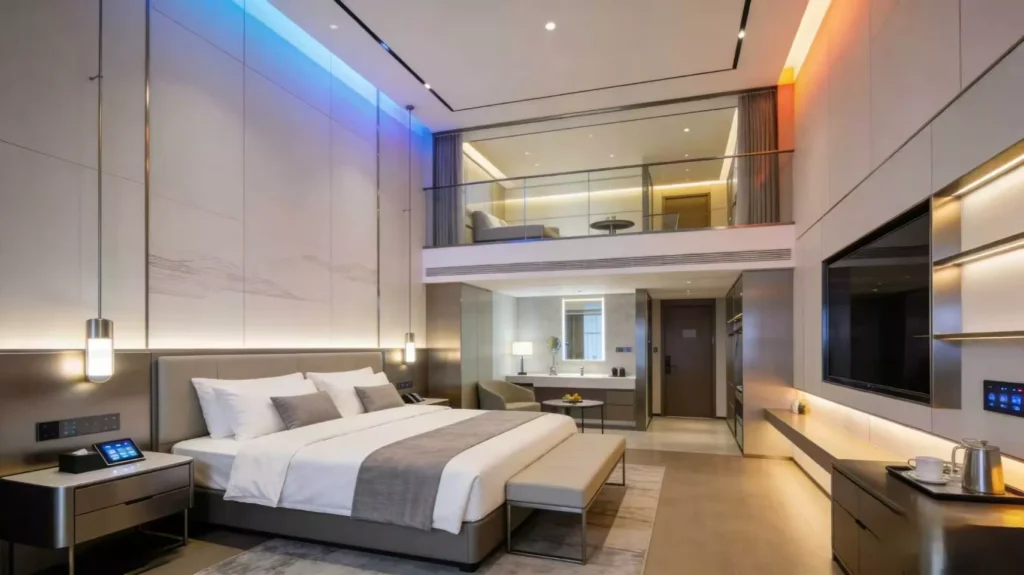
FF&E stands for furniture, fixtures, and equipment. In hotel projects, it refers to the movable or semi-fixed items that are not part of the building structure itself. Common examples include beds, chairs, desks, lighting fixtures, casegoods, and other guest-facing items.
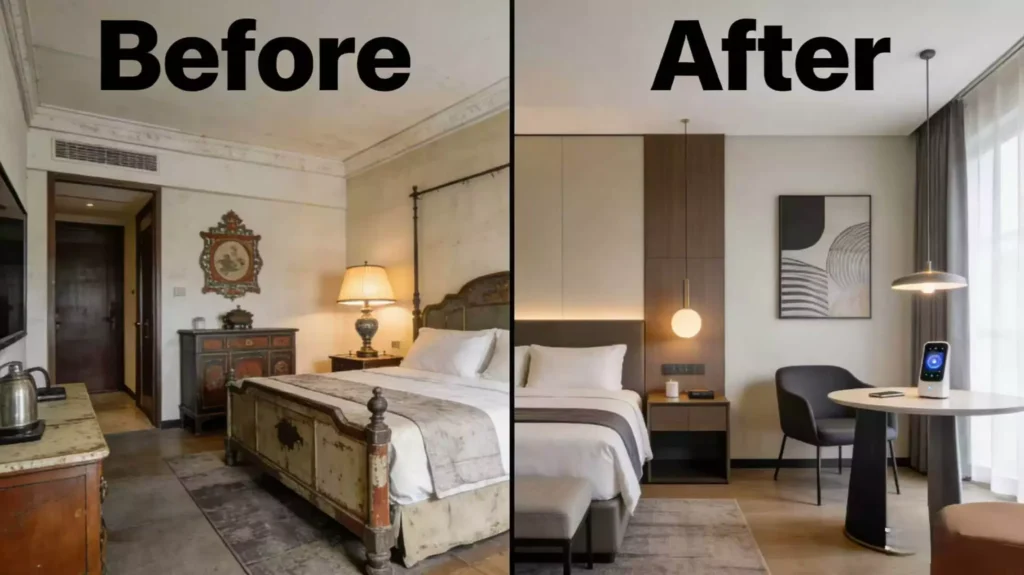
In a PIP, FF&E often has the fastest visual impact. A room can feel significantly fresher with new furniture, better lighting, and upgraded soft goods, even without major structural work. That is why hotel owners should treat FF&E as a core part of the PIP strategy, not as a separate afterthought.
What a Typical PIP Can Include
| Area | What it usually includes | Why it matters |
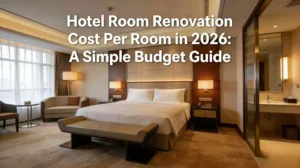
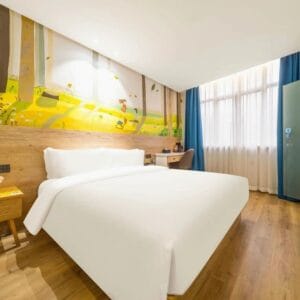
| Guestrooms | Beds, case goods, seating, lighting, soft goods | Biggest guest-facing impact and often the first priority in a PIP. |
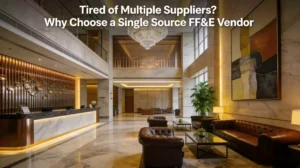
| Public Areas | Lobby furniture, restaurant seating, décor, finishes | Shapes the first impression and overall brand image. |
| FF&E | Furniture, fixtures, and equipment | Often a central part of brand compliance and property refresh. |
| Procurement | Sampling, approvals, sourcing, delivery | Affects budget control and project timeline. |
| Timeline | Phased completion window | Helps reduce delays and keep the project on schedule. |
How Long Does a PIP Take?
PIP timelines vary by brand, property size, and scope. Industry sources often describe the completion window as a phased process, and a common planning assumption is about 12 to 24 months. That makes early coordination especially important for procurement, approvals, and installation.
How to Control PIP Costs
The most effective way to control PIP costs is to lock the scope early. Once the hotel, brand, and procurement team agree on what needs to be replaced or upgraded, it becomes much easier to manage samples, lead times, and shipping. Industry guidance also emphasizes early planning, phased execution, and contingency control.
A smart cost strategy usually includes confirming the brand standard first, grouping FF&E by priority, choosing commercial-grade materials, and avoiding unnecessary custom work where standard solutions can perform well. Procurement planning matters because sourcing, manufacturing, and delivery all affect the final result.
A Better FF&E Approach for PIP Projects
For hotel owners, the best FF&E strategy is rarely to buy the cheapest item available. It is usually about balancing brand compliance, durability, lead time, and lifecycle value. In hospitality, FF&E must hold up under heavy use while still matching the design intent and brand standard.
This is where a supplier like PMOU can support the process. Your site positions the company as a trusted manufacturer and international supplier with its own production facilities and sourcing network, which fits projects that require custom FF&E, coordinated delivery, and export support.
What Hotel Owners Should Ask Before Starting a PIP
Before placing any order, hotel owners and operators should ask a few simple questions:
- What exactly does the brand require?
- Which items must be replaced, and which can remain?
- What is the approved budget range?
- How long will production and shipping take?
- Which items need samples or brand approval first?
- Which pieces should be custom, and which can be standardized?
These questions help reduce rework, protect the schedule, and keep the project aligned with the PIP scope.
Why PIP Projects Need a Supplier, Not Just a Vendor
A vendor sells products. A supplier who understands hotel PIPs helps manage the project. That difference matters because PIP work involves more than a furniture quote. It involves product selection, brand fit, logistics, and timing.
For brands and owners, the ideal partner can support the project from design alignment to final delivery. That is especially important when the property needs custom hotel furniture, coordinated room packages, or multi-phase delivery across different areas of the hotel. Your site already reflects this broader procurement position with content around hotel FF&E procurement and sourcing.
My Opinion
A hotel property improvement plan is more than a renovation request. It is a roadmap for brand compliance, asset improvement, and guest experience. When FF&E is handled well, a PIP can become an opportunity to upgrade the property efficiently and strengthen the hotel’s long-term value.
For hotel owners, operators, and procurement teams, the key is simple: define the scope early, choose durable hospitality-grade FF&E, and work with a supplier who understands the pace and pressure of brand-standard projects. That is the best way to complete a PIP on time and with fewer surprises.
Call to Action:
Need support with hotel FF&E for a PIP project? Contact PMOU for custom, brand-aligned solutions built for hospitality projects.
Frequently Asked Questions about Hotel Property Improvement Plan
Q: What is a hotel property improvement plan?
A: A brand-required upgrade plan for bringing a hotel up to standard.
Q: Does a PIP include FF&E?
A: Yes, very often.
Q: How long does a PIP usually take?
A: Often around 12 to 24 months, depending on scope and brand.
Q: What is the biggest PIP cost driver?
A: Scope, FF&E selection, and project timing.
Q: Why use a hotel FF&E supplier for a PIP?
A: To help with brand fit, sourcing, and on-time delivery.