Hotel furniture trends in Tokyo & Osaka: luxury materials, innovative styles, and custom solutions for hospitality. Speak to us now.
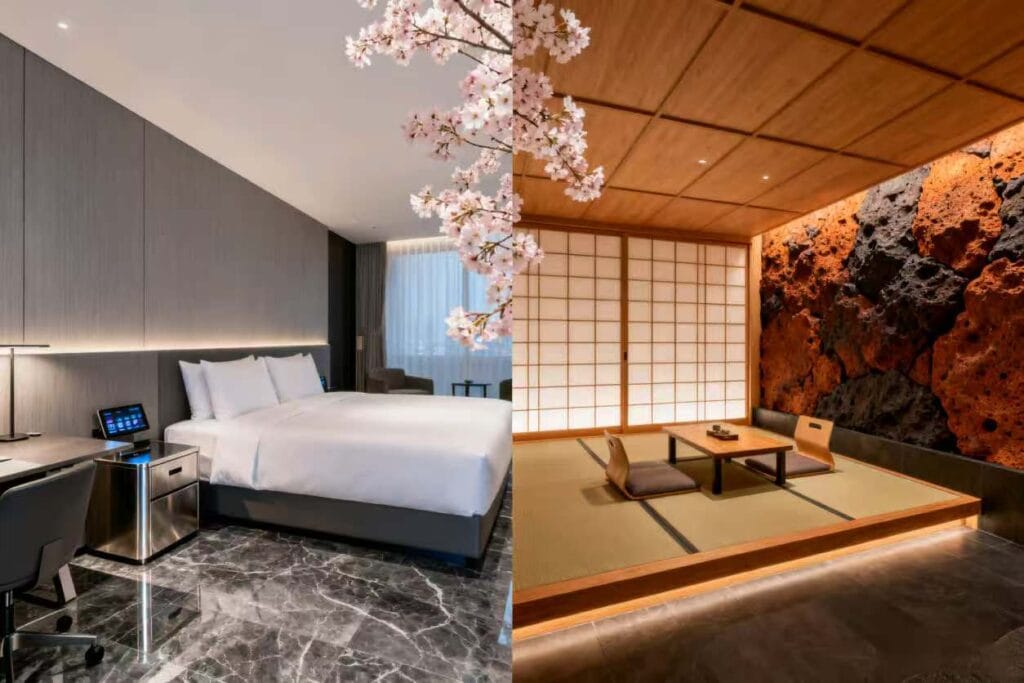
Hotel furniture trends are constantly shifting across the global hotel renovation and hospitality design scene, and Tokyo and Osaka each display unique luxury hotel furniture trends, influenced by distinct cultures, architecture, tourism and client needs. Understanding these trends not only allows international clients/companies opening or renovating luxury hotels in either city but also facilitates informed decisions regarding practicality, regulatory compliance and cost control – crucial considerations when opening or renovating luxury hotels in Japan.
This article will explore hotel furniture trends in Tokyo and Osaka: market size and forecasts, design/functional preferences, materials / durability considerations and the advantages of custom furniture. Furthermore, OneStop Hotel FFE can demonstrate how it can assist clients to implement these trends.
Market Size and Growth Forecast.
| Market Category | 2024/2023 Market Size (USD Billion) | 2033 Forecast Market Size (USD Billion) | CAGR (%) | Notes |
| Japan Overall Furniture Market | 22.6 | 29.3 | 2.6 | Includes residential, office, and hotel furniture |
| Japan Luxury Furniture Market | — | — | 4.8 | High-end furniture market growing faster |
| Global Hospitality/Hotel Furniture Market | 4.4 (2023) | 6.4 | 3.9 | Strong growth trend in global hotel furniture market |
Driving Factors
1. Urbanization and Shrinkage Spaces: Tokyo and Osaka residential and hotel spaces have become much smaller, necessitating designers and furniture manufacturers to focus on space-saving designs with multifunctional capabilities in order to remain competitive in these cities.
2. Environmental Protection and Sustainability: Customers and regulations alike increasingly demand recycled materials, low VOC emissions, renewable or certified wood and natural fibers in hotel furniture trends. Sustainability has become an essential aspect of hotel furniture trends.
3. Evolved Customer Experience and Design Aesthetics: Today’s travelers and hotel guests have become more selective about aesthetics. They expect furniture that not only meets functional needs but is also consistent with the overall brand of their stay based on look, feel, and ambiance.
4. Technology Integration: Smart controls, wireless charging capabilities and adjustable lighting, temperature and sound systems have become more integrated into hotel furniture design trends, creating the combination of technology with furniture that is becoming increasingly common in hotel furniture trends.
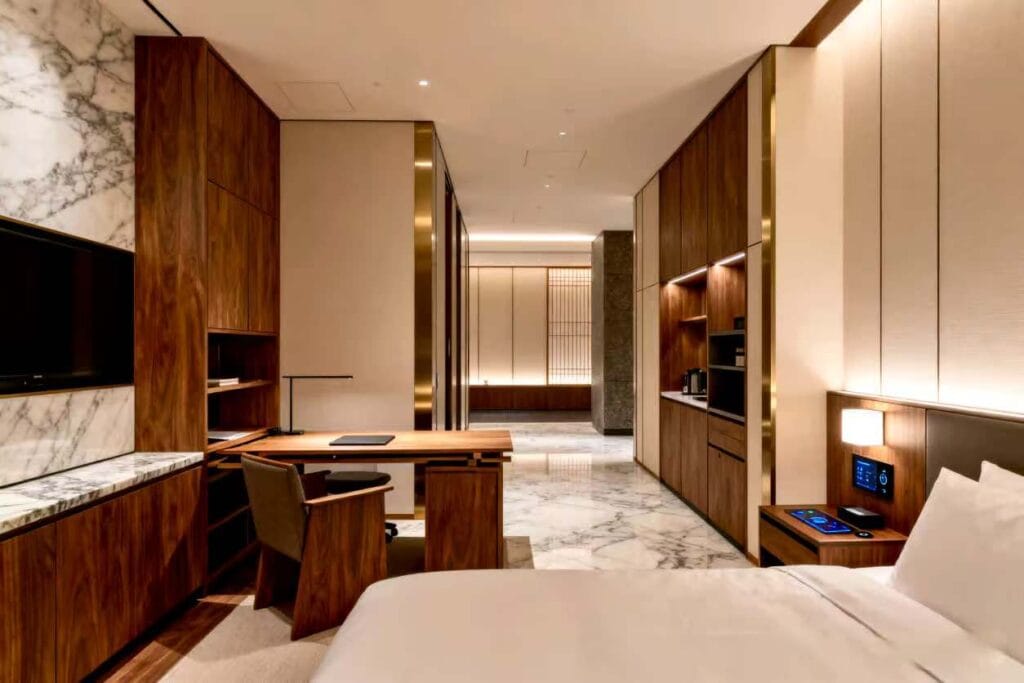
Tokyo vs Osaka – Differences in Hotel Furniture Trends in a City Comparison Comparing trends between
Tokyo and Osaka has revealed several significant variations between them in customer preferences, spatial constraints, cultural aesthetics, public space design and public perception.
Design Style and Customer Preferences
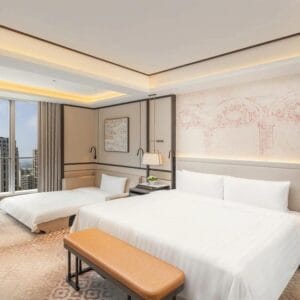
Tokyo: Tokyo hotel guests typically expect the utmost in sophistication, high-end modern design, and aesthetic detail when visiting hotels in Japan’s global city and capital. Minimalist elements mixed with traditional Japanese elements are particularly favored; furniture often features clean, sharp lines with natural wood grains or stone surfaces as accents; neutral wood tones may feature light or pale wood tones for additional opulence and lighten the overall environment; trendsetting hotel furniture trends highlight elegance, white spaces, as well as natural lighting integration into interior designs.
Osaka: Osaka offers an open and vibrant atmosphere, and is more accommodating of vibrant public spaces decorated with decorative furniture or patterns. Hotel lobbies, restaurants and bars may feature pieces with vivid hues or patterns to emphasize comfort and interactivity while meeting local, domestic, and international traveler demands; hotel furniture trends in Osaka take these needs into consideration along with flexible yet easy-to-clean materials for hotel furnishings that meet these criteria.
Spatial and Architectural Constraints
Hotel rooms in Tokyo tend to be compact, while public spaces such as lobbies and reception areas are limited in both geographical size and structure. As a result, multifunctional furniture like foldable chairs with hidden storage compartments has become popular; similarly wall or ceiling built-in pieces with extra seating space have become common features of Tokyo hotel furniture trends. Hotel furnishings trends place great emphasis on space efficiency.
Osaka hotels benefit from being more spacious public areas due to their location and thus allow more furniture selection options; however, durability, maintainability, and material requirements remain stringent due to heavy guest traffic.
Influence of Atmosphere and Cultural Aesthetics
Tokyo’s design can evoke feelings of tranquility and refinement for hotel guests looking for privacy and elegance in their stay. Furniture tends to favor simple lines with soft colors such as pink and lavender hues for an aesthetic appearance, along with attention paid to lighting details and materials used.
Osaka may place greater emphasis on social interaction and communal experiences, with furniture placement in public areas, lobby sofas, and seating arrangements in public lounges all helping create an atmosphere of welcome and interaction.
Trends within Hotel Furniture Production
Following are specific design and functional trends which have recently taken root in Tokyo and Osaka as core elements of hotel furniture trends.
Minimalist + Japanese Fusion
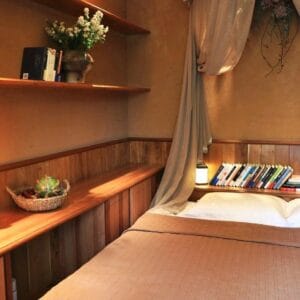
Japanese-influenced elements – such as wood textures, natural materials, low-slung furniture, tatami mats or Japanese screens/partitions) combined with minimalist styling are an increasingly popular trend in Tokyo’s luxury hotel furniture design. Furniture decoration takes a backseat, with function taking center stage over aesthetics.
Multifunctional and Space-Saving Furniture
Futurious hotel rooms in Tokyo frequently employ multifunctional furniture such as folding/wall-mounted tables, underbed storage solutions, retractable tables and chairs and modular pieces as space saving measures.
Furniture like this can also be useful in public spaces and suites in Osaka, such as banquet halls, meeting rooms or communal lounges that require flexible layouts. Its
Smart Furniture and Technology Integration
Furniture designs have increasingly integrated technological components, including:
Built-in wireless charging ports and USB ports; concealed cable management; lighting controls via furniture or built-in panels; lighting temperature/curtain controls via furniture/built-in panels; materials with antimicrobial coatings or fire/stain resistance treatments suitable for frequent hotel usage are ideal choices;
Material and Durability Trends
Material trends currently include sustainable wood that meets FSC certification; recycled metals, bamboo, natural stone and natural fiber materials as well as stain-resistant fabrics that are easy to maintain and stain-proof; as well as fabrics with stain-resistance features for long term durability.
Coatings/paints that meet fire safety standards and Japanese regulations.
Why international clients should choose custom furniture to stay current with hotel furniture trends
Its Custom-designed pieces provide many advantages over off-the-shelf, mass-produced pieces:
1. Brand Differentiation: Custom furniture can help hotels differentiate their brand by fitting perfectly into their visual identity, atmosphere and cultural elements, helping it stand out from competitors.
2. Spatial and regulatory compatibility: Tokyo and Osaka each feature distinct building structures, room sizes, aisle widths and local fire safety regulations that make custom furniture perfect for their respective cities in terms of size, material composition and structure.
3. Long-Term Investment Benefits: While custom furniture requires an initial higher investment, its durability, high-quality materials, and enhanced guest experience can yield long-term investment benefits: improved reputation among guests; more use out of its appearance and functionality for longer; reduced maintenance and replacement costs.
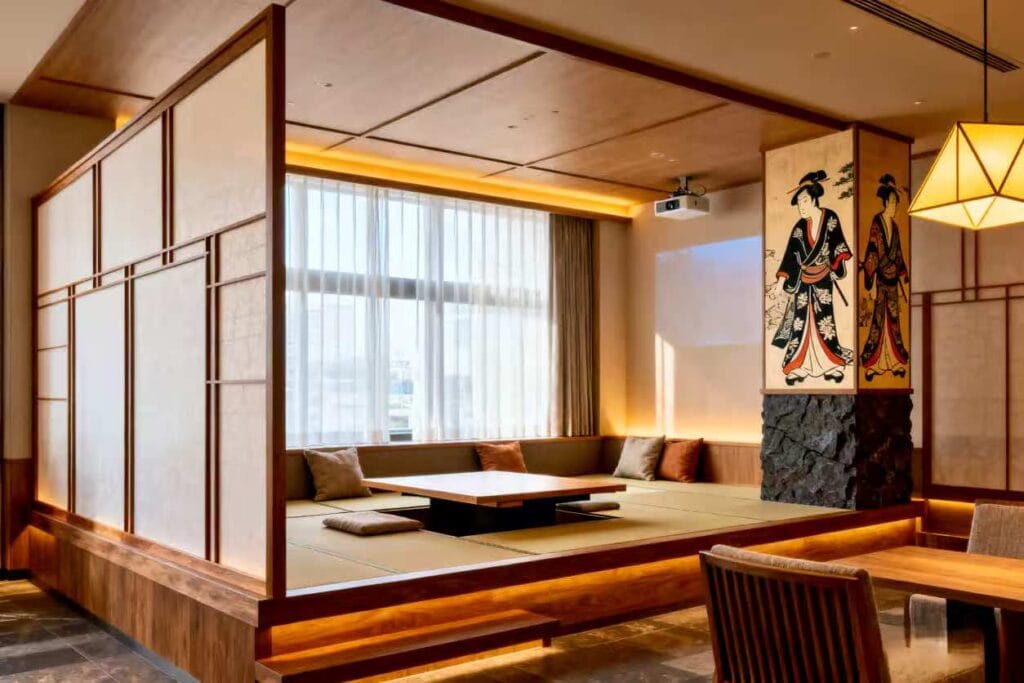
Benefits and Procedure of PMOU’s Custom Furniture Service
1. Experience and Process
Our design team boasts extensive experience in both Tokyo and Osaka markets, possessing in-depth knowledge of spatial specifications, customer preferences, and cultural differences between these locations. During the initial design stage we discuss budget, brand style, functional requirements and space limitations (room size/width etc) with our clients before taking into consideration recent hotel furniture trends to draft up a design proposal.
2. Materials and Craftsmanship
We select certified wood, eco-friendly coatings, sustainable materials and strict antibacterial and fire-retardant standards when selecting our materials and craftspeople to craft the furniture we create for hotels. Each piece is sturdy yet durable in design with quality-tested fabrics, wood connectors and metal connections to ensure long term stability even under rigorous environments like those found within hotels.
3. Intelligent and Functional Furniture Design
We incorporate technological elements, such as wireless charging, concealed cables, panel controls and adjustable components, into furniture designs to meet the needs of modern guests and hotel management.
4. Customization and Delivery Process
Our staff supports multilingual communication with international clients, provides transparent design review processes, maintains stringent production deadlines for production and delivery, is well versed with Japanese regulations and inspection procedures, enabling seamless installation and acceptance processes.
5. Case Studies and Reputation
Our track record in Tokyo and Osaka hotels speaks for itself – we have delivered successful projects providing custom lobby furniture, guest room furniture and restaurant seating solutions. Customer feedback highlights their furniture’s excellent combination of aesthetics with functionality as well as its durability in matching up with overall hotel designs styles.
Interactive Questions & Reflections
As for Tokyo lobby design, do you prefer minimalist, elegant styling or an eclectic blend of decorative elements and traditional Japanese elements?
For public lounge areas in Osaka, would comfort be prioritized over visual impact/brand identity?
What characteristics are most essential when selecting hotel furniture, whether durability, material quality or guest experience (lighting, tactile experience or technological integration)?
Feel free to share in the comments what furniture most impressed you from hotels in Tokyo or Osaka, and feel free to reach out with us to explore how these trends could apply to your projects.
Conclusion and Call to Action
While hotel furniture trends in Tokyo and Osaka share similarities (such as sustainability, multifunctionality, enhanced design aesthetics, material durability) significant variations exist between them in terms of spatial limitations, guest preferences and cultural aesthetics. For international clients looking for custom furniture that matches current style trends as well as optimizing design within local regulations and space limitations. Investing in customized pieces ensures an aligned product with current styles while meeting local regulations or space limitations effectively.
PMOU stands ready to assist in any luxury hotel construction or renovation projects in Tokyo and Osaka with professional custom furniture services.
Contact us to receive design samples, material swatches, and an accurate quote to make sure that your hotel furniture design reflects current hotel furniture trends and stands out in this competitive market.
FAQs
Q1: What are the differences in hotel furniture trends between Tokyo and Osaka?
A: Rooms in Tokyo typically emphasize space-saving multifunctional furniture with simple designs while public areas in Osaka tend to offer larger public areas, offering comfort with bolder colors and patterns and creating more social environments.
Q2: Why consider custom-made furniture over ready-made options?
A: Custom-made pieces can be tailored specifically to the room dimensions, eliminating overcrowding and wasted space. Furthermore, customized furniture may meet local regulations (fire and bacteria resistance etc), offering more unique styling that matches with brand images; additionally providing long-term durability with lower rates of breakage.
Q3: Which materials are currently popular?
A: Eco-friendly options such as sustainable wood, recycled materials, bamboo and low VOC coatings have proven to be popular choices. Fabrics should also be easy to maintain. Safety requirements should also be fulfilled such as fire-retardant coatings with reduced VOC levels.
Q4: Why is the incorporation of intelligent furniture features so important?
A: Incorporating smart features is of utmost importance as modern guests expect bedside tables and desks with charging ports, wireless charging capabilities and lighting controls as a standard feature of hotel accommodations. These “invisible technologies” enhance guest satisfaction while simultaneously creating more modernized hotels.
Q5: How long does it take to create custom furniture and what is the process involved?
A: In general, custom furniture manufacturing takes between 8-12 weeks (depending on complexity of design and shipping/installation challenges) before being shipped and installed – however planning ahead can help minimize delays.