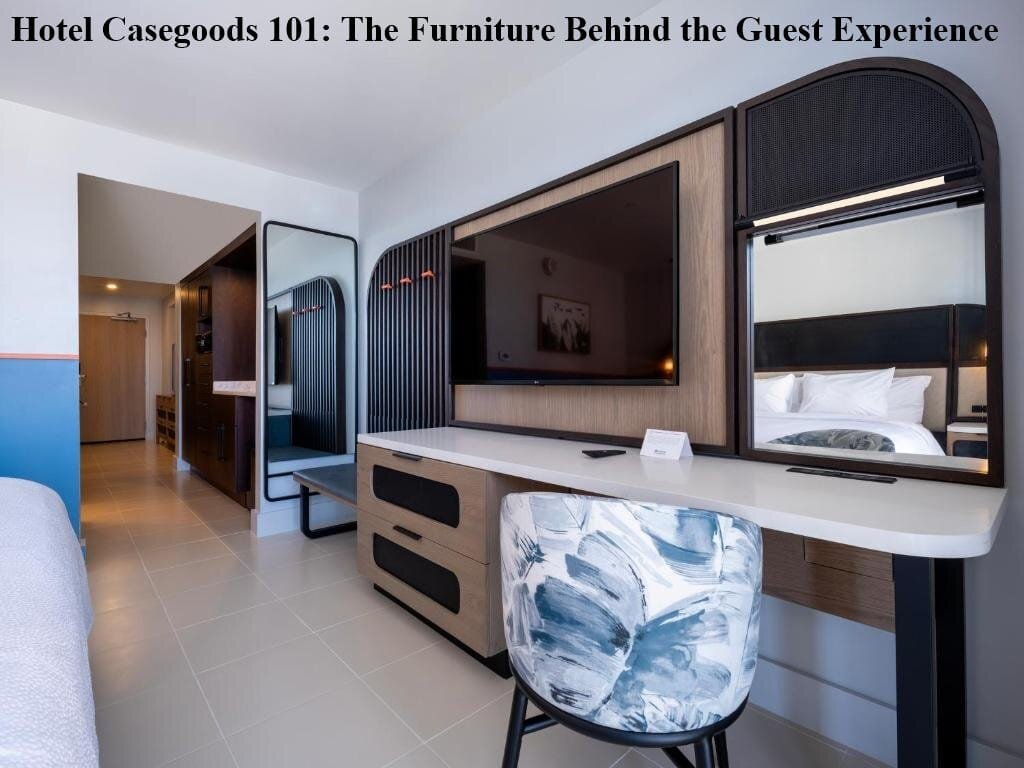
In most hotel rooms, casegoods handle a lot of the work without drawing much attention. These are the furniture pieces that give the room shape and purpose. They hold personal items, support daily routines, and create a sense of structure that helps guests settle in.
A thoughtful design gives casegoods a quiet presence in the room. Through scale, placement, and material choices, they help create a space that feels balanced and complete. When the design feels cohesive, even small details contribute to a room that’s more comfortable to spend time in.
Because of that, design and procurement teams are beginning to pay closer attention to how these pieces are built and where they belong. A few early decisions can influence how a space performs and how it’s remembered.
What Hotel Casegoods Include
Hotel casegoods are the non-upholstered, functional furniture pieces that make up the core of a guestroom. They bring shape to the layout and help define how the space is used, even when guests aren’t thinking about them directly.
While casegoods might blend into the background, they do a lot of quiet work. Each piece serves a specific purpose within the room – offering storage, dividing space, or supporting daily use in ways that aren’t always obvious at first glance.
Common casegoods in hotel rooms include:
- Nightstands
- Dressers or drawer chests
- Wardrobes or closets
- Desks or work surfaces
- Luggage benches
- Headboards
- Wall panels or built-ins
- Media cabinets or minibar units
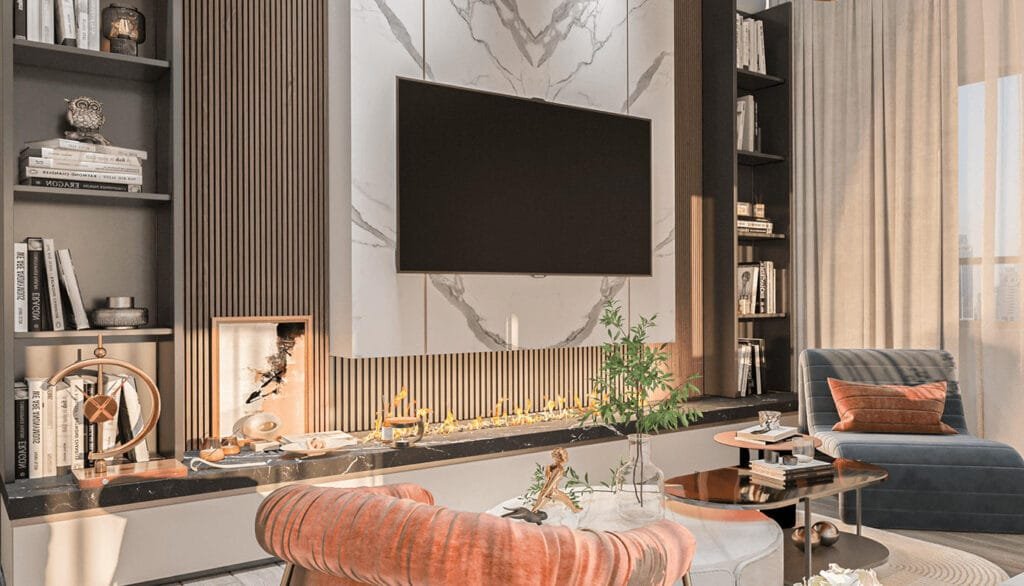
While the pieces may seem standard, how they’re built can vary significantly. Design teams often start by choosing the materials that make up each surface, core, and edge. These choices influence how the furniture performs over time – and how well it holds up in a high-use environment.
Hotel Casegoods: What Are They Made Of?
The materials used in hotel casegoods affect how the furniture looks, how long it lasts, and how it holds up in a setting where it’s used every day.
Most hotel casegoods are made from panel-based construction. These panels are assembled to form the top, bottom, sides, shelves, drawer fronts, and other components. Every panel has three main elements: the face, the core, and the edge.
The face is the visible surface of the furniture – the part guests actually see and touch. It sets the tone of the room through color, texture, and finish. Common face materials include:
- Wood veneer
- High-pressure laminate (HPL)
- Low-pressure laminate (LPL)
- Solid wood (in some cases)
The core provides structure. It’s what gives the panel its strength and weight. The core is usually hidden beneath the face but plays a key role in how a piece performs over time. Typical options include:
- Plywood
- Particle board
- Medium-density fiberboard (MDF)
The edge protects the panel and finishes the piece. It adds a layer of durability and creates a cleaner, more professional look. Edge types may include:
- Laminate self-edge
- PVC edge banding
- Solid wood edge
Each of these elements can be selected and combined based on project goals. A high-traffic hotel might prioritize durability and easy maintenance, while a boutique property may lean into high-end finishes to support a specific aesthetic. While these components are fairly consistent, the approach to building and designing casegoods can vary widely depending on the needs of the hotel.
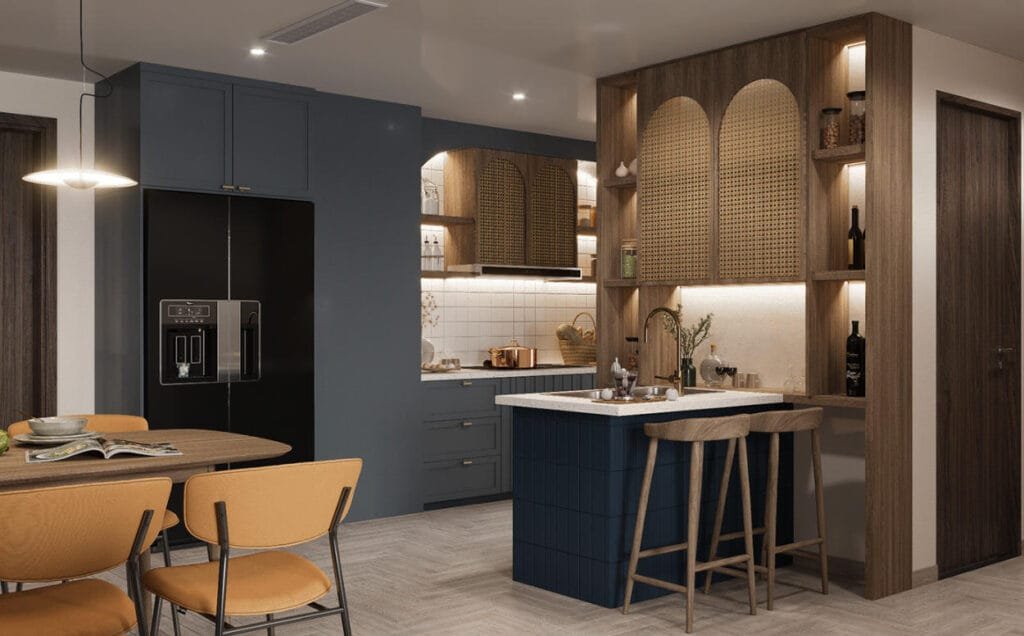
Standard vs. Custom Hotel Casegoods
Most hotel casegoods fall into one of two categories. Some are standard designs selected from existing catalogs. Others are custom-built to suit a specific space, layout, or brand identity.
Here’s how the two approaches compare:
| Standard Casegoods | Custom Casegoods |
| Pre-designed and mass-produced | Built to project specifications |
| Limited size, finish, and configuration options | Full control over dimensions and materials |
| Often cost-effective and faster to source | Greater flexibility for unique layouts |
| Used in franchise properties or quick-turn projects | Supports distinctive design and branding |
| Lower upfront cost, but may need adaptation | Higher investment, tailored fit |
The best choice depends on the needs of the property. Standard casegoods can work well when efficiency and speed are top priorities. Custom casegoods offer more control and consistency, especially in spaces that need to reflect a particular brand or make better use of available square footage.
Design choices matter, but how those choices affect the guest experience is where the value becomes clear.
Why Casegoods Matter to the Guest Experience
Most guests don’t spend much time thinking about the furniture in their room. But they interact with it constantly. A drawer that sticks or a nightstand that’s just out of reach can interrupt what should be a quiet, comfortable routine.
Casegoods influence how a room feels and functions. A well-placed surface beside the bed makes it easier to settle in at night. A wardrobe that opens smoothly gives guests a sense of order. When furniture supports these everyday moments, the room becomes easier to live in – even temporarily.
They also help reinforce the design. Consistent finishes, stable construction, and simple detailing all contribute to a space that feels considered. When the pieces in the room align with each other and the guest’s expectations, the entire stay feels more balanced.
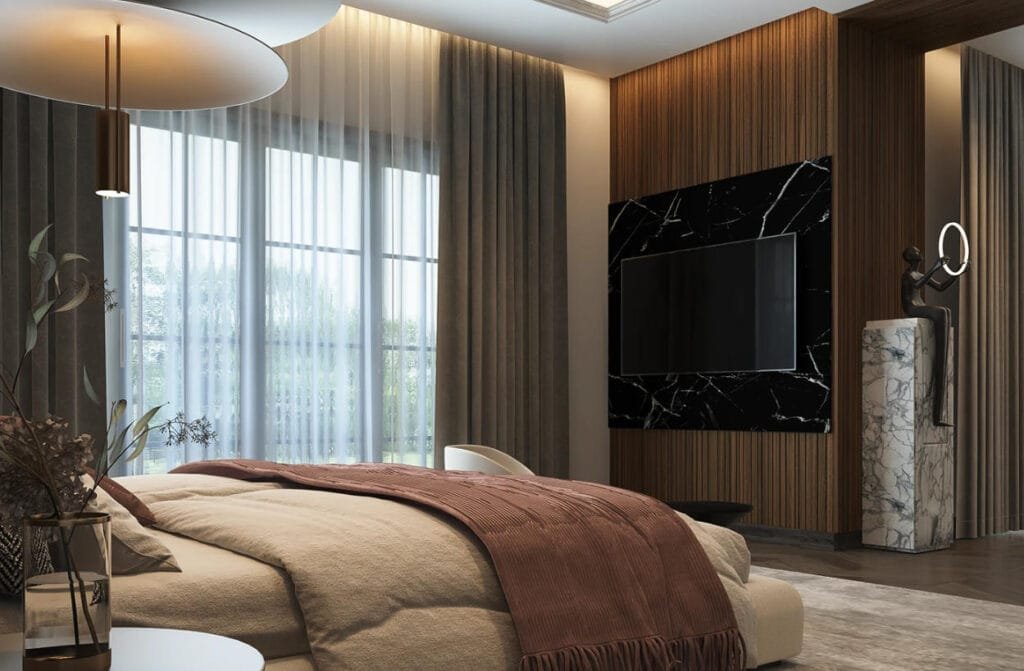
Can Custom Casegoods Make the Room Work Better?
Every hotel has its own personality. Custom casegoods make it easier to reflect that identity while also solving for space, layout, and functionality. They’re adaptable by nature – built to support various property types, guest expectations, and design goals.
Here are a few ways custom casegoods can respond to specific project needs:
- Recycled laminates support sustainability goals and help communicate environmental responsibility.
- Wood veneers add warmth and visual depth, often used to create a more refined or high-end feel.
- Multifunctional panels can create workstations that also serve as dining areas, with integrated tech access built in.
- Cellarettes or custom minibar units can replace bulky dressers while giving the room a polished focal point.
- Luggage benches can be designed with dual purposes – like a discreet spot for exercise or storage.
Custom furniture opens the door to these kinds of tailored solutions. It gives design teams more control over how a space functions and how it feels when a guest walks through the door.
Why Hotel Casegoods Deserve More Attention
It’s easy to treat hotel casegoods as an afterthought. But when furniture feels out of place, looks worn, or isn’t intuitive to use, it quietly disrupts the stay.
These pieces carry more weight than they’re often given credit for. Well-designed hotel casegoods can improve comfort, support daily routines, and bring clarity to the room layout. When they’re planned with intention, they help the entire space function better.
Bringing casegoods into the conversation early helps turn good rooms into rooms that work.
Ready to Start Planning?
If you’re working on a hotel project and want furniture that fits your space, goals, and brand, we’re here to help.
PMOU (Onestophotelffe.com) is a premier global exporter specializing in comprehensive Hotel FF&E and OS&E solutions. Leveraging our state-of-the-art manufacturing facilities, we offer highly flexible OEM and ODM services tailored to the specific design and functional requirements of the hospitality industry.
With a proven track record of delivering high-end custom furniture for prestigious hotel and luxury villa projects both domestically and internationally, we have established ourselves as a benchmark for excellence. Our commitment to professionalism is reflected in our holistic service model—encompassing seamless pre-sales consultation, meticulous mid-sales project management, and dependable after-sales support—resulting in exceptional client satisfaction and long-term trust across the globe.

Custom Hotel Casegoods Design: FAQ
Even with a firm budget in place, there are a few common questions that tend to come up during planning, design, and production. Here are some quick answers.
Q1: How can I tell if laminate or veneer is the better fit for my space?
A: The answer usually depends on how your space will be used, what kind of experience you’re trying to create, and how much flexibility you have in your budget. Laminate tends to work well in areas with heavier traffic or where cleaning and consistency are top priorities. Veneer often brings a natural, elevated look that some brands prefer in guest-facing spaces.
If you’re unsure, lean on your manufacturer. They’ve likely seen both materials perform in a range of environments and can help you weigh what fits your goals, whether you’re designing for efficiency, aesthetics, or somewhere in between.
Q2: Should I expect custom casegoods pricing to be higher?
A: Yes. Like any bespoke item, custom hotel products are more expensive due to less efficient economies of scale.
Every project moves a little differently, but in most cases, the process spans several weeks to a few months from concept to delivery. Detailed custom drawings, CAD renderings, approvals, and mockups take time, and they’re worth doing right.
Starting early helps. If your manufacturer is involved from the start and you have a clear vision, you’ll be in a better position to keep things moving smoothly and avoid delays that stretch out labor costs.
Q3: What kind of maintenance investment should I expect?
A: Casegoods built for hospitality should stand up well to everyday use, but a little care still goes a long way. Light cleaning with the right products is usually enough to keep surfaces looking fresh.
It’s also helpful to check hardware and high-touch areas now and then. A good manufacturer will make sure your design accounts for ongoing upkeep, and they should provide clear guidance to keep everything working and guest-ready for the long haul.